






Taiwan’s colourful festivals still keep pulling in international visitors and somehow airlines get another nudge to grow their seasonal schedules.
The Taiwan Lantern Festival has this way of lighting up whole cities with bright displays that honour local traditions, but also show modern creativity. You see thousands of handcrafted lanterns lighting parks, riversides, and public squares at once, and it all turns into this sort of scene people swear they will never forget, photographers, families, everyone, really.
And then there’s the sky lantern part, visitors can release sky lanterns in places like Pingxi, where the glowing lanterns climb into the night sky, carrying handwritten wishes, hopes, and dreams. Because of that, these cultural moments make many travellers arrange their holidays based on Taiwan’s festival calendar, which then boosts passenger demand around the busiest travel windows.
Meanwhile, business travel has become more than a side note for Taiwan’s aviation growth too.
The island has really caught global attention for being at the front of semiconductor manufacturing, advanced technology, renewable energy, biotechnology, and electronics.
Large international companies often dispatch executives, engineers, researchers, and investors to Taiwan for get-togethers, showcases, and collaborations. Those folks rely on frequent, dependable flight routes, so airlines feel sort of forced to grow their offerings all year long, not merely go after the holiday rush.
When the corporate traffic stays strong, passenger numbers tend to hold steady, and it also makes it easier to support new international routes.
Taiwan’s convention centers, and exhibition venues host big global events that pull in thousands of delegates from every continent, more or less.
You’ll see technology expos, medical conferences, manufacturing displays and innovation forums Where professionals meet up to swap ideas, plus figure out what could work next for future collaborations.
From hotels and restaurants to transportation providers and smaller local shops, everyone seems to catch a share of the momentum.
And when an event lands well, it kind of cements Taiwan’s image as a place where work trips and leisure travel fit together naturally.
A lot of visitors, after finishing business meetings, turn around and stretch the schedule into vacation time, which gives tourism a really meaningful boost too.
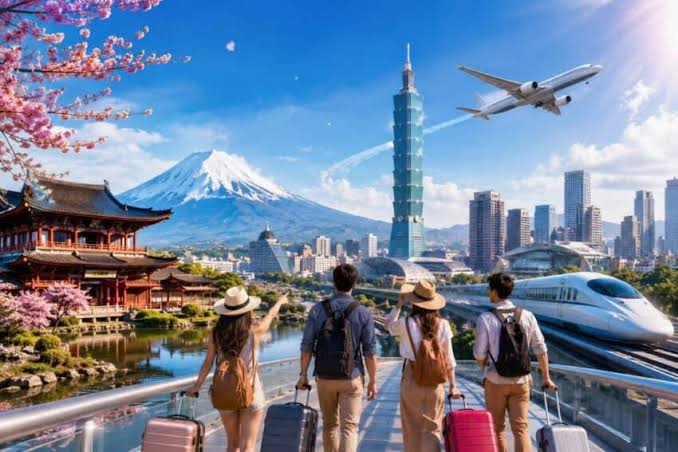
The country’s transportation network makes it surprisingly easy to get around Taiwan without too much fuss. High speed rail links Taipei with cities along the western coast in just a few hours, so visitors can bounce between places without burning their time in transit, not really.
On top of that, a lot of modern metro systems run smoothly in the big cities, while comfortable buses and regional trains connect onward to scenic towns, coastal villages, and mountain communities. Travellers sort of seem to like how they can shift from busy urban centers to quieter natural areas within one single trip, all in one go. This kind of access usually leads to longer stays and, honestly, higher tourism spending too.
Taiwan’s commitment to sustainable tourism kind of speaks to people who are more environmentally aware. In national parks the forests, wildlife, wetlands and coastal ecosystems get protected, while responsible tourism habits are promoted.
The hiking trails get careful maintenance, and the cycling routes keep on expanding, and lots of places are also pushing eco friendly transportation.
Meanwhile local communities preserve their cultural legacy, but they still guard natural resources for the next generations.
All of this turns into travel moments that feel real, but without giving up environmental care.
The airline industry has kind of caught onto these shifts too, by putting money into newer aircraft, which bring better fuel efficiency plus a higher level of comfort.
On many international routes to Taiwan, travellers can experience quieter cabins, stronger entertainment systems, faster onboard connectivity, and seating that feels more comfortable than before.
Airlines are also deepening partnerships using code share agreements, so passengers can arrange smoother connections across several continents. So getting to Taiwan feels easier for first time visitors, but also for those returning again.
Taiwan Taoyuan International Airport still keeps expanding, like to keep up with the bigger stream of passengers that keep showing up.
The modern terminals, automated check-in systems, biometric technology, and faster immigration steps make the whole trip feel More smooth, you know, less waiting.
There are also improved baggage facilities that help people get their things with less hassle. And before visitors even step out of the airport, the retail areas, premium lounges, local restaurants and even little cultural displays are basically giving a first taste of Taiwanese hospitality.
Meanwhile, the development work is not stopping. New projects are planned to raise passenger capacity and to help Taiwan stay strong as one of Asia’s major aviation gateways for years, and years.
Also, regional airports are starting to matter a lot more when it comes to tourism growth.
Airports in Kaohsiung, Taichung and other areas keep pulling in more domestic and international flights, and that kind of gradually shifts the whole vibe. It quietly eases some of the load on Taipei, but at the same time it makes different parts of the island easier to reach, which is kind of a big deal for visitors.
Travellers can start their trip nearer to popular spots, rather than depending only on the capital. This kind of balanced setup supports tourism across the whole island, and it opens up fresh economic chances for local neighbourhoods.
On top of that, Taiwan’s coastline is one more reason people keep coming back. There are beaches that feel unreal, dramatic cliffs, fishing villages, and those scenic coastal routes that turn even a drive into something unforgettable.
The east coast offers wide ocean views that you just can’t forget, while offshore islands give visitors very particular cultures, great fresh seafood, and calmer landscapes.
Adventure lovers go for surfing, snorkeling, scuba diving, kayaking, and whale watching, and families tend to like the relaxed vibe you can find in many of Taiwan’s coastal towns and nearby areas.
The islands mountain areas draw outdoor folks, pretty much all year round. Hiking paths twist through those forests packed with native creatures, and the sunrise outlooks sort of give early risers this big pay off like spectacular panoramic views.
More and more people are cycling too, because the routes are well maintained, and they snake past rice fields, temples, rivers, and along the coastal roads.
It’s not rare to see international cyclists put Taiwan on their travel bucket lists, since the roads feel safe, the communities are welcoming, and the scenery is really varied, in a good way.
Taiwan’s hospitality is still one of its biggest strengths, honestly.
Guests often mention how friendly the local people are, they don’t mind giving directions, suggesting places to eat, or just sharing stories about their neighbourhoods. Those small acts of kindness end up sticking in your mind, and they also make people come back again, plus tell friends or family.
When hospitality is genuine, it can become just as memorable as those well known attractions, or even the beautiful scenery itself.
Food keeps playing a major part in Taiwan’s tourism. There are fine dining spots and family owned kitchens, plus seafood markets, mountain tea houses, and all that energy from the night markets.
Together, they build one of Asia’s more exciting, culinary scenes. Each region has its own specialties so travellers are sort of encouraged to look past the capital and wander toward more authentic local flavours .
Fresh ingredients, time-tested recipes, and a few inventive cooking approaches give Taiwanese cuisine a distinct identity, which seems to appeal to visitors from just about every culture.
Digital innovation has also made the visitor experience kind smoother.
Things like mobile payment systems, multilingual travel apps, digital maps, online transit reservations, and smart tourism services help travellers get around the island with more confidence.
Airports, train stations, hotels, and tourist spots keep adopting tech that cuts down the waiting time, and boosts overall comfort. In this way, these changes support Taiwan’s modern image, while also making the whole trip feel a bit less stressful for international guests.
Tourism officials are still putting money into worldwide marketing drives, aimed at showing off Taiwan’s variety.
Promotional work puts forward almost everything, from venerable temples and indigenous culture to contemporary architecture, open air adventures, upscale shopping, and well-known local cuisine.
Social media creators, travel influencers and international reporters have also helped introduce Taiwan to audiences who, honestly, might not have even thought about visiting. And as interest increases, airlines spot new chances, to open up routes from up-and-coming tourism regions.
The future looks, incredibly promising for Taiwan tourism and aviation in general.
There is rising international interest, and airline networks are getting bigger, airport infrastructure is improving, plus continued investment in visitor experiences is building a pretty solid base for long- term growth.
Airlines will probably roll out more direct routes too, as passenger demand keeps growing, so Taiwan becomes even easier to reach for travellers from all over the world.
Each new flight sort of strengthens economic development, while also opening fresh chances for cultural exchange and international cooperation, in a very natural way.
Taiwan has also done something impressive, like it isn’t just a convenient stopover in Asia anymore. It’s become way more , a proper destination where old customs and lively city rhythms, plus dramatic scenery and world-class cuisine, all sit together with modern innovation in a calm kind of balance.
Visitors come in expecting nice views and great meals but they often end up leaving with memories that feel unforgettable, because of friendly people remarkable moments, and a deeper sense of what makes Taiwan’s character so special.
And as tourism keeps flourishing, and as aviation networks keep expanding, Taiwan is in a strong spot to grow into one of Asia’s most connected, energetic, and rewarding destinations, for many generations of travellers.