





China is one of those travel destinations that’s kind of impossible to forget, where thousands of years of history end up rubbing shoulders with cutting edge modern cities, jaw dropping mountain views, calm rivers, vibrant traditions, and honestly some really remarkable cultural landmarks.
You’ve got the towering Great Wall and the ancient Terracotta Army, then on the other end the dramatic limestone scenery in Guilin, and later that futuristic skyline of Shanghai. Basically each region feels like it speaks a different language, yet it’s still all China.
Whether your pull is toward history, scenery that steals your breath, local flavours, wild activities, or architecture, China keeps serving unforgettable moments that surprise travellers nonstop from all over the world.
If you want the easiest way to get a real sense of that diversity, flying across China is the move.
Travel between regions feels quick and smooth, so you do not sit around for ages on trains or highways.
That kind of setup means you can get to well known sights and picturesque landscapes in just a couple of hours, meaning you can fit in several stops within one travel plan. Beijing is also a solid launch pad for a trip around China.
As the capital, it blends imperial era history together with a lively modern momentum, not just one or the Other.
Old palaces sit next to skyscrapers, while quiet parks give you that nice break from the city’s busy energy. When you walk around Beijing, it feels like stepping between periods in time, and each neighbourhood shows a different layer of China’s wide story.
The Great Wall of China just keeps being the country’s most iconic attraction, it kind feels obvious right away. It runs across mountains, valleys for thousands of kilo meters, and somehow it still looks unreal, like centuries of engineering and stubborn determination were packed into stone and time.
A lot of people go to Mutianyu, Badaling, because those parts are restored enough for visitors to walk along the pathways and still catch spectacular views of the mountains.
Being on the wall around sunrise or sunset, you get this unforgettable feeling and it really grabs the spirit of China’s ancient civilization.
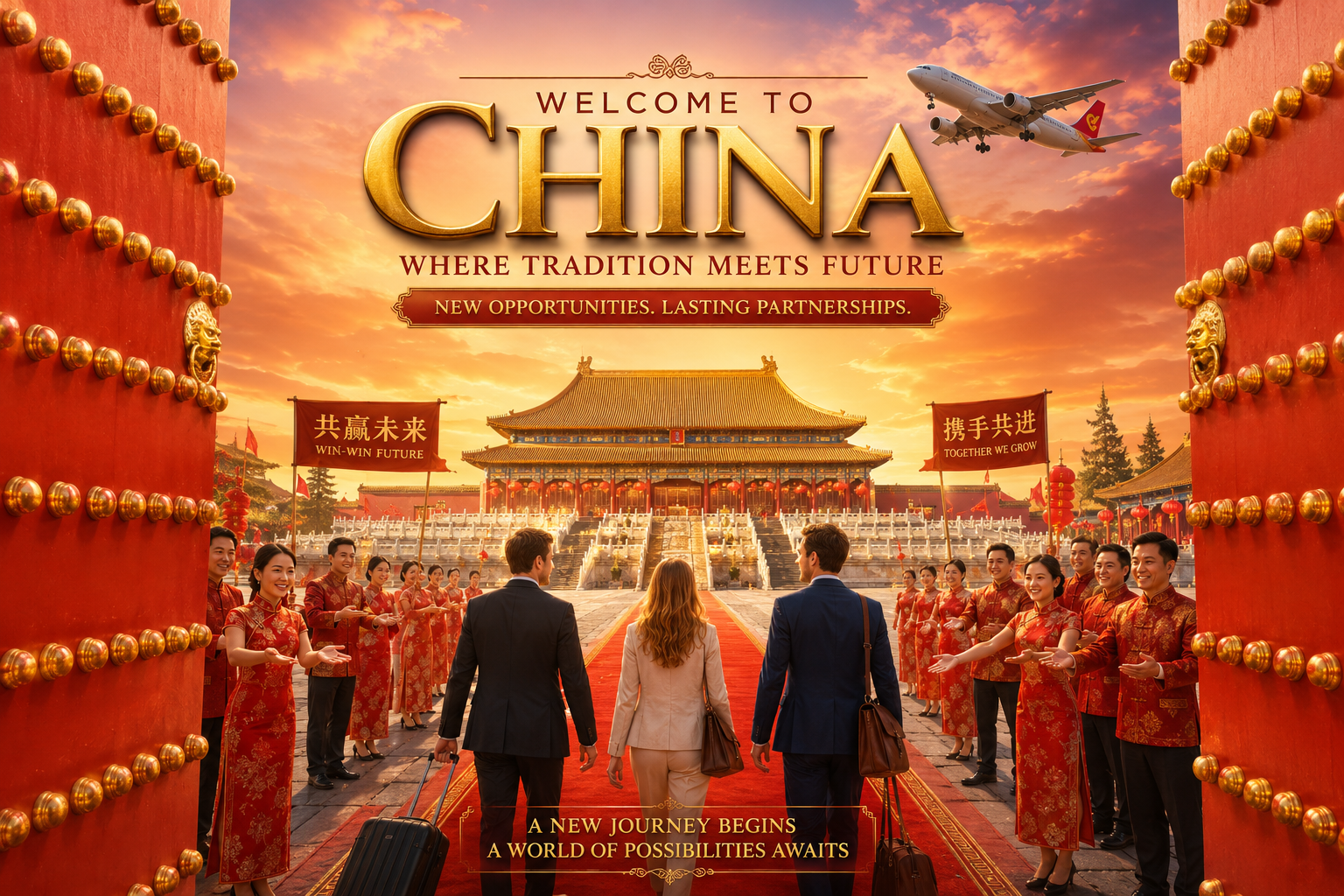
Another big standout in Beijing is the Forbidden City. It used to be where China’s emperors lived, an enormous palace complex with magnificent halls and lovely courtyards. You can also spot intricate carvings, traditional gardens, all of it together looks like it was made with real care and patience.
Almost every building looks like it was made with remarkable care, and it somehow still holds centuries of imperial history inside it.
Nearby, Tiananmen Square still stays one of the biggest public spaces in the whole world, and honestly It’s pretty well known as a historical and cultural landmark too, even if you’re only passing through for a while.
If you keep wandering around, you can eventually get to the Temple of Heaven where emperors once prayed for good harvests, or well, that’s what the old tradition claims.
The area around it is calm and quiet, and you may spot local residents doing tai chi, bringing out traditional instruments, and taking their time in slow mornings under ancient trees.
It’s kind of a softer shift from the busier scenes, in a way that feels almost too Seamless.
Then it’s just a short hop toward the southwest and you land in Xi’an, one of China’s oldest places, and also the starting point for the historic Silk Road.
Xi’an is particularly associated with the Terracotta Army, which is considered one of the greatest archaeological finds ever. Thousands of life sized clay soldiers, along with horses and chariots were buried over two thousand years ago, supposedly so they could guard Emperor Qin Shi Huang in the after life.
Each figure has different facial expressions and small details, which is why the site still feels so impressive, even today, like it’s constantly revealing something new.
Xi’an s ancient City Wall is still surprisingly well kept, and it gives visitors this real opportunity to cycle, or just Stroll around the old heart, plus you get panoramic looks of everything.
The bustling Muslim Quarter kind of takes you in another direction, where bright street stalls and markets, traditional building styles, and very tasty local bites show up as a result of centuries of cultural back and forth, so it feels alive in a more grounded way.
Shanghai, on the other hand, shows a totally different China. People often call it the country’s financial center, and it somehow blends futuristic high rises with refined colonial architecture.
Then the Bund comes in, and it’s one of the most famous waterfront scenes you can spot in Asia, with old European-style facades facing Pudong’s modern skyline across the Huangpu River, which is honestly a sight.
At the skyline level, the Oriental Pearl Tower, Shanghai Tower, and Jin Mao Tower stand out the most, especially later on, after sunset when coloured lights make the whole place look like a bright exhibition.
If you walk along Nanjing Road you’ll run into luxury stores, local little boutiques, restaurants, and a nightlife vibe that stretches well into the night, not just a quick evening thing.
Even with all that modern energy, Shanghai does not fully drop its cultural roots.
Places like Yu Garden still sort of give you quiet air, with graceful pavilion corners, little ponds, stone bridges, and that classic Chinese landscape setup that feels deliberate, maybe a bit old world but not overly weighty. Further down in the south is Guilin, which a lot of people see as one of China’s most scenic stops, and it’s famous for towering limestone hills that rise fast over winding rivers and that green countryside around them.
And for a long time, Guilin’s scenery has been inspiring Chinese painters and poets, turning it into a sort of lasting emblem of natural beauty across the whole country.
A cruise along the Li River gives you one of those, the most spectacular river experiences in the world, honestly.
You’ll see towering karst peaks, bamboo forests, little fishing villages and even grazing water buffalo, and it just looks like scenery every few minutes as the boat turns. A lot of travellers say the trip from Guilin to Yangshuo is right up there as a highlight during a visit to China, no doubt.
Yangshuo though feels much more relaxed. People often just cycle through rice fields, wander toward nearby hills, go and explore caves, or they sit at riverside cafés while looking at the mountains around them.
At sunrise and at sunset the whole place changes, soft light kind of spreads over the still water, and suddenly it becomes a real paradise for photographers, even if you don’t plan to take that many pictures.
Then there’s Chengdu, which brings another type of unforgettable day. It’s well known as the home of the giant panda, so wildlife lovers head there hoping to spot these gentle animals in protected conservation centers.
Seeing panda cubs climb, nosing around, nibbling bamboo and interacting with each other is the kind of thing you remember for a long time, no matter your age, kids or adults.
But Chengdu isn’t only about pandas. It’s got that sort of relaxed mood and a food scene people keep bringing up, again and again, you know.
Hotpot spots here are known for dishes loaded with aromatic spices, while old style tea houses sort of coax you to go slower a bit and taste the local culture, the real way, not rushed.
For anyone into wild places, Chengdu often acts like a stepping stone, right before Jiuzhaigou National Park. There you see crystal clear lakes, waterfalls, vibrant forest cover and mountains too that can get snow covered, everything together, and it’s widely seen as one of China’s most jaw dropping natural scenes.
And then there is Hangzhou, a city people have been praising for years, as if it is one of China’s most graceful places.
West Lake sits kind of at the middle of it all, surrounded by pagodas, gardens, temples, and those little pathways under willows which feel gentle even on crowded days, somehow.
The boat rides across that calm water seem wonderful any time, but especially in spring, when the blossoms show up along the edge of the shore, almost like they’re standing there in quiet expectation for you.
Tea plantations around Hangzhou make the famous Long jing green tea, and yeah it’s kind of a scene. Visitors can stroll through those rolling hills, packed with tea bushes and you kind of pick up how people still harvest and process the leaves in the old ways, the ones that have been used for generations now. It’s peaceful, but still hands-on in a quiet sort of way.
Then head south and you get another wow spot in Zhangjiajie National Forest Park. Massive sandstone pillars rise up fast from the forest floor, so the view feels almost unreal, like nothing else on the planet.
Honestly these rock Formations, were a big inspiration for the floating mountains shown in the film Avatar, or at least that’s the common story people repeat.
For the more daring travellers, glass walkways hang high over deep valleys, so you get that little rush when you look down. Cable cars also help you reach viewpoints, where the mountain scenery seems to go on forever, like it doesn’t end.
But China ’s scenery just keeps going, way past the usual stuff, like mountains and forests. The Yellow Mountains, or Huangshan, give you dramatic granite ridges, ancient pine trees, and those seas of clouds that can make sunrise feel kind of unreal, magical.
For centuries a lot of artists have drawn inspiration from these timeless sights, and honestly you can see the reason.
Longji, meanwhile, shows up with bright rice terraces, and they feel memorable pretty much from the first moment.
They were built on steep slopes by local communities, and the look keeps changing with each season. In spring, the terraces can mirror the sky like giant panels, while in autumn they turn into golden waves spilling across the hills, all of it very dramatic.
And then there’s Guangzhou, which shows how China works as an international trading hub. The city mixes older temples with modern shopping areas, plus big skyscrapers and riverside parks. Cantonese food, that’s famous worldwide, reaches its best mood here, so visitors can try real dim sum, and fresh seafood too, again and again.
Shenzhen shows how fast China can modernize really, once it was a tiny fishing village then somehow it turned into one of the Nations top tech hubs. You see it everywhere modern buildings, parks along the water, museums, and lively entertainment areas all give off that restless, young kind of drive, and innovation too.
For people who want calmer coastal views, Xiamen is a frequent pick.
There palm lined beaches and colonial buildings sit together pretty naturally, and Gulangyu Island nearby adds this relaxed vibe. On that island you get quiet lanes, historic residences, lovely gardens, and there are no motor vehicles either. It feels slower, like you can actually breathe.
But China’s cultural heritage doesn’t really stop at the usual famous sights. It reaches much farther. More than fifty officially counted ethnic groups shape the country with distinct traditions, seasonal celebrations, music styles, clothing choices, languages, and food traditions.
Travelling across provinces lets visitors taste this variety in a real way, while you notice how customs shift, again and again, from one place to another.
And then of course Chinese cuisine that ends up being part of nearly every trip, almost like a souvenir you can eat.
You can run into steamed buns, grilled skewers, rice noodles, pancakes, dumplings, roasted chestnuts, sweet desserts, and even freshly brewed tea. Altogether it becomes one more way to explore China’s food culture, without ever feeling like you’re running out of options.
China ’s festivals really add this extra spark to a trip, even if you’re kind just passing through.
For Chinese New Year the whole place changes fast, with colourful decorations, those dragon dances, fireworks lighting up the sky and the loud family gatherings that last and last.
Then the Mid-Autumn Festival comes along, and it’s all about moon cakes and lantern displays, it feels warm in a way that you can actually see. The Dragon Boat Festival, meanwhile, turns the rivers into a scene, with dramatic races and cultural performances happening right there on the water.
If you travel across China by air, visitors can catch all of that variety without losing so much vacation time.
Domestic airlines run lots of flights that link Beijing, Shanghai, Xi’an, Chengdu, Guilin, Guangzhou, Hangzhou, Shenzhen, Xiamen, Kunming, Lhasa and a bunch of other places too. So instead of spending days on the road you can move at a quicker pace, and still feel like you’ve covered a lot.
Imagine starting in Beijing, wandering around the Great Wall then going into the Forbidden City.
From there you could head to Xi’an for the Terracotta Army, then shift over to Shanghai to see that super futuristic skyline, and after that you can cruise along the Li River in Guilin.
You might stop in Chengdu to see giant pandas, and later just slow everything down beside West Lake in Hangzhou.
Finally, you end up near Zhang jiajie where the mountains look unreal, like they’re from another world, and the photos never really do it justice.
China keeps pulling in millions of visitors because it just doesn’t run out of things to discover. Each stop shows a new angle, ranging from old dynasties and major monuments to modern innovation and the kind of natural scenery that takes your breath away.
Flying from the Great Wall to Guilin is a smooth way to notice the country’s contrasts, and still stay comfortable.
One day you’re just strolling past one of the world’s largest historical achievements, and the next moment you’re quietly floating on water while calm rivers drift by, like they’re on their own schedule.
Out there, tall limestone peaks are standing around in the distance like guards, slightly unreal, almost too steady.
No matter if you’re into imperial history, lively cities, mountain rambles, local traditions, world-renowned dishes, or that kind of scenery you can’t stop thinking about, China keeps offering moments that stick.
Thanks to excellent flight routes, famous landmarks, jaw dropping natural sights, and one of the most layered cultural timelines on Earth, China sits right at the top as a premier travel spot for people who want to discover something genuinely extraordinary.