









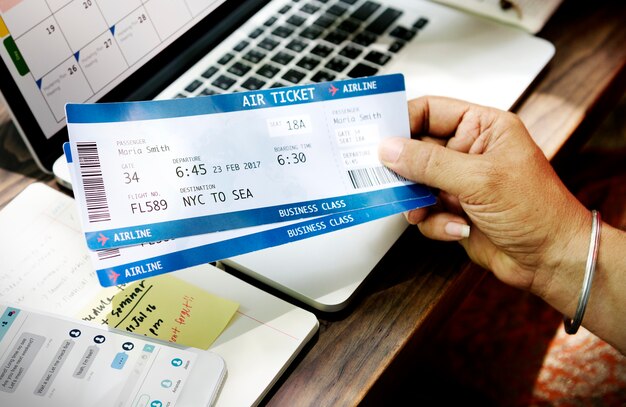
Booking a plane ticket might look like an uncomplicated task. Nevertheless, experienced travellers would admit that there is much more work to do in order to book a ticket other than picking up a comfortable date and pressing a button. Small alterations in search queries, flexibility, and timing might significantly impact your budget. As time passes by, frequent flyers discover certain helpful tips to spend less money and travel comfortably.
First of all, remember that airfare constantly changes. It is affected by a variety of aspects, such as season, demand, and the number of passengers who attempt to buy tickets at the specified route. Therefore, choosing the right time to buy tickets is essential. When buying domestic flights, it is suggested that you purchase tickets two to three weeks in advance of the date of departure; for international flights, you must prepare yourself one to two months in advance.
Lastly, it is essential to remain flexible when it comes to your traveling schedule when buying tickets. Moving the date of your travel one to two days ahead will allow you to get cheap airfare. It is worth mentioning that flights during the week cost less compared to those on the weekends. Such times are cheap, and thus they may work well in favor of those who are willing to adapt their plans.
It is also important to do smart searching to cut down on costs. Some people are known to compare flights using different resources before deciding which one is the best. Doing this will enable you to compare flights within the same platform. Moreover, you should consider doing private browsing because this way, the prices will not be influenced by constant browsing. Though this technique does not necessarily lower prices, it can prove helpful to many flyers.
Setting price alerts is another effective trick. This way, you will not have to check prices daily but will instead be notified once the price drops. In addition, the data will make it possible for you to understand how prices have changed over time.
Finally, the choice of the right airport is also important in searching for methods that can help reduce costs on flights. You will find it better to fly into an airport that is nearest to the destination city as opposed to flying directly to the major city’s airport. Even if it takes a bit more time, it will be worth it financially.
A way of cutting down on travel expenses also involves taking connecting flights if you have to travel very far away from home. While taking direct flights is convenient, the truth of the matter is that such flights tend to be quite costly. The inclusion of the layover can bring about huge savings in terms of ticket fare Having sufficient time to catch connections may be significant.
What needs to be noted is that packing needs to be done very carefully because the majority of airlines charge fees on checked bags. Therefore, it is necessary to make sure that your bags will be considered hand baggage.
Also, it would not hurt to participate in loyalty programs as a frequent flyer. It is possible to get points or miles, which may later be used for a variety of purposes including getting discounts or better seats on future trips. Loyalty programs are generally free and, if someone uses them frequently, the bonuses may be quite considerable. Using a travel credit card might be beneficial since some travel credit cards reward card holders for reservations while others have perks like lounge access or special boarding status. Thus, choosing a good travel card would improve one’s travel experience by making it more enjoyable yet cheaper. It is also vital to look into all the issues associated with the flight before making a reservation in order to avoid being surprised about unexpected fees and other details. Sometimes, having paid a bit extra for a ticket brings more benefits than costs. It may also be helpful if one books a ticket at times when the airlines have sales or promotions because this often happens during festive occasions. Monitoring the availability of such offers and making use of them will allow reducing costs. Joining email lists or following airlines on social media will enable being notified about them.
One aspect that most travelers do not pay much attention to is insurance. Travel insurance allows protecting oneself against such situations as flight cancellations or unexpected illnesses. Although this feature involves additional expenditures, it provides comfort and eliminates the risk of spending much more later.
It is also wise to have all your traveling documents readily available and well organized. Having all of the necessary documents at hand saves time. All information should be saved digitally on your phone and printed out as well.
Being early for the flight can prove to be very advantageous. This will provide enough time to carry out all the processes smoothly. It will not be a problem to do the check-in process and board on time without getting agitated.
Preplanning your seating is another important step. One needs to decide on the kind of seat that one would like. Several seat categories exist that passengers can select according to their preferences. These include window seats, aisle seats, and middle seats.
Lastly, it is always advisable to inquire about the flight information. This is especially relevant for passengers with a connecting flight or those flying to distant destinations. It helps one not spend time uselessly waiting somewhere if there were some problems.
Firstly, having an open and adaptable mind goes a long way in ensuring success. Everything related to travel is not always perfect. Some hitches may occur during the process. Rather than being frustrated by these circumstances, learning to adapt will help deal with these challenges much better. These experiences end up becoming part of the travel narrative.
The purchase of airplane tickets should not be approached like a cost-cutting affair. Making the right decisions leads to a great experience overall. This is how developing certain habits will ensure better savings, fewer hassles, and a memorable journey from the planning stage.
It is a good idea to feel prepared and ready for each journey ahead. Every travel experience ends up imparting some lessons which become habits overtime.