Congo is one of those African destinations that can kind surprise travellers once they look beyond the usual tourist routes, you know. The Republic of the Congo, also called Congo Brazzaville, is where you’ll find huge rainforests, big rivers, an Atlantic coastline, wildlife rich national parks, and also lively towns, plus communities with deep cultural traditions famous places to visit in Congo.
Discover Congo Rain forests Rivers Wildlife and Atlantic Coastlines
Then further south, Pointe Noire and the nearby coast bring you into Congo’s Atlantic side, more directly.
Congo isn’t always the kind of destination where you just show up and wander around without thinking. Some of its most interesting locations are remote, and reaching them can mean guides, arranged transport, and careful planning too. Still, for travellers who want something more adventurous, and less standard, that planning part might actually feel like part of the fun.
Brazzaville and the Cultural Heart of Cong
Brazzaville is sort of where travellers get their first real run at the Republic of the Congo. The capital is right along the Congo River, which is one of Africa’s bigger, better waterways, and the whole setting has somehow helped write the city’s history, commerce, and even day to day routine.
The riverfront is one of the places where you can truly get a grip on the city’s layout. Across the water is Kinshasa, in the Democratic Republic of the Congo, so you end up with this very unusual kind of capital to capital view. Boats slide along the river while everything else, the everyday city bustle, keeps going around the waterfront.
Brazzaville also holds a strong cultural pulse. One of its most Recognized sights is the Basilique Sainte Anne, and the moment you see it, the distinctive architecture kind of sticks in your mind as “that place”, for the city itself. Religious sites, older neighbourhoods, markets and public squares all bring their own little layers, it’s not just one story.
If you’re into art and culture, Poto Poto is especially worth a detour. The area became tightly linked with the well known Poto Poto School of Painting, which counts as a key thread in Central African artistic history. There’s art, music, and that simple street life rhythm too, so Brazzaville feels more alive than just its job as the country’s administrative centre.
Food is another, very natural way to meet the culture. Cassava matters a lot as a staple, and then you’ll also see fish, vegetables, plantains, plus all sorts of sauces turning up in meals. Along the river and out toward the coast, fish pretty obviously becomes central in local cooking.
The Congo River on its own deserves more than some quick snap shot, honestly. For ages it has stitched together communities, and kept support transport and trade moving through the region. If you stand there at sunrise or sunset, it can feel almost unreal, in a good way, because the light starts to spill across the water, slow like it’s trying not to disturb anything.
For travellers who want more nature, but don’t feel like rushing straight into the country’s far northern forests, Lesio Louna Lefini is another spot that’s worth knowing about. This area is often linked with gorilla protection, and it gives you a near up connection to Congo’s wildlife landscapes. The Republic of Congo’s tourism authorities regularly mention protected zones and primate sanctuaries as key pieces of the country’s nature focused tourism story.
Still, the real adventure begins once you actually drift away from the cities, and into Congo’s rain forest.
At times the forest feels almost completely enclosed and then suddenly a clearing opens up and the landscape changes, in this kind of flip, you know.
Boating is also an important part of exploring Odzala. The park’s network of rivers and waterways allows visitors to experience the forest from a completely different point of view. Wildlife can sometimes be spotted along the riverbanks while birds slip between trees and wetlands, sort of quietly.
Forest clearings, such as Wali Ba i and Mbeli Ba i give chances for visitors to watch animals congregate in their natural habitat.
The experience here isn’t about rushing from one thing to another, not really. Wildlife watching needs patience sometimes. You might sit quietly near a clearing, walk through the forest, or travel by boat while waiting for an animal to show up, no sudden hurry.
That slower tempo is part of what makes Congo feel special places to visit in Congo.
The Sangha River, somehow, also contributes to the overall atmosphere. It cuts through the broader Congo Basin landscape and helps link forest areas with local communities. Taking a river journey where the vegetation is quite thick can make you feel like you have been totally removed from the busy streets of Brazzaville, even if only for a while.
They also hint at why protection efforts and responsible tourism count so much here. Going with established operators, plus local guides, can let people access remote zones while still backing conservation work and communities near the parks.
Pointe Noire the Atlantic Coast and Congo’s Coastal Side
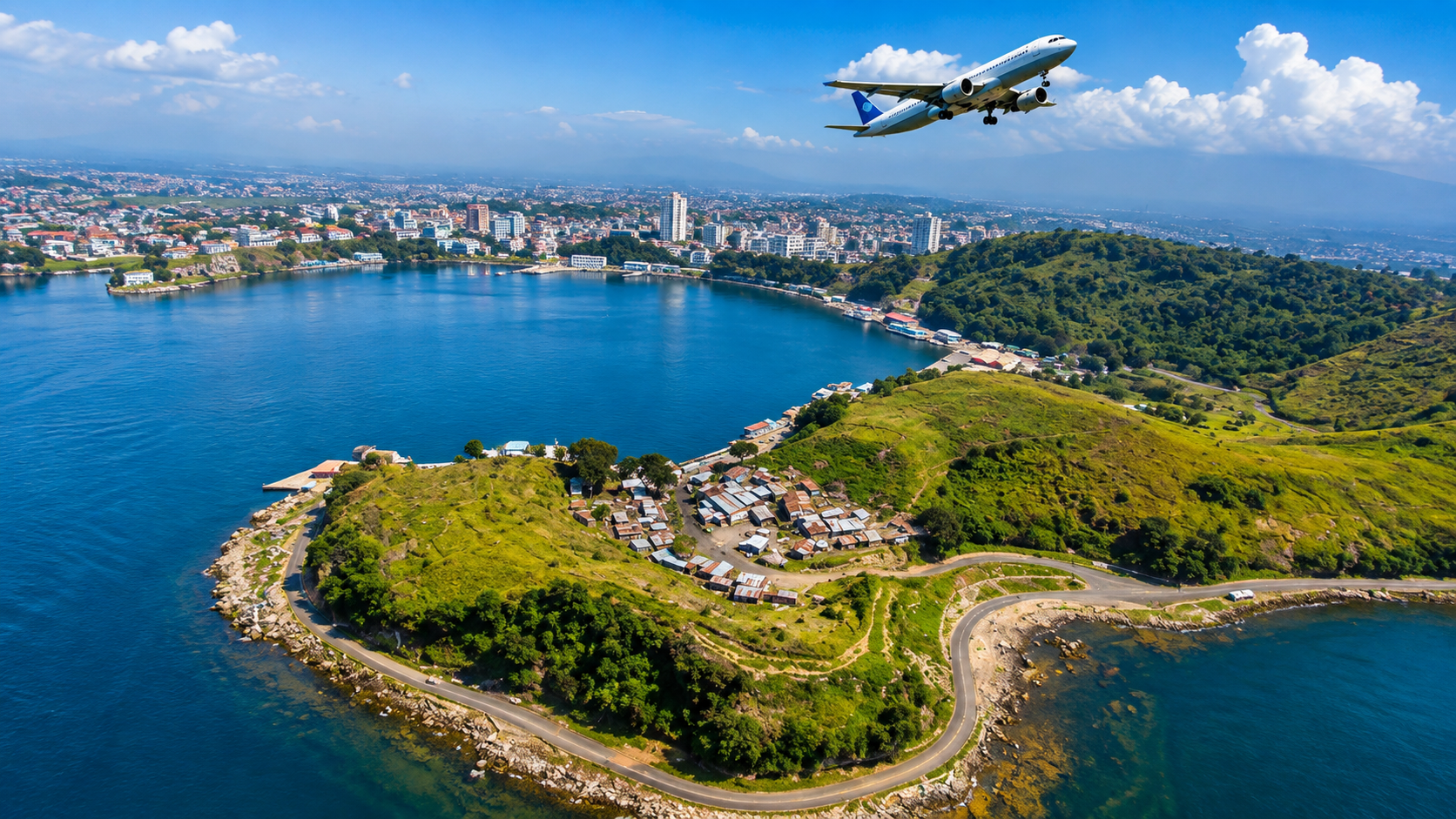
After spending time around rain forest and rivers, the Atlantic coast gives you this dramatic shift, like everything suddenly looks different. Pointe Noire is Congo’s main coastal city and really a vital commercial hub. Being right next to the Atlantic means it feels a bit removed from Brazzaville, with beaches, restaurants, markets, and those coastal neighbourhoods that just make it seem more laid back and easy.
It can work well as a starting point for pushing into the southern part of the country. Travellers can try local dishes, browse the markets and absorb the city life, before moving out toward the nearby coastal scenery, and more open space.
Actually, the Atlantic shoreline itself is one of Congo’s quieter attractions. Rather than the very standard tropical resort vibe you might expect from certain other African destinations, this coast often feels more natural, and kind of understated. Sandy stretches, vegetation, lagoons and open ocean come together so the whole view changes a lot with weather and even the time of day.
Sunsets are often the big moment. As the sun lowers toward the Atlantic, the water starts reflecting warm shades, while the coastline grows darker against the sky. And for Photographers, that contrast between ocean, sand and tropical plants gives you endless chances to shoot.
Congo’s environmental ministry says the place is especially rich in flora and fauna, including forest elephants, chimpanzees, and gorillas.
Around Diosso there is another, kind of change of scenery that you notice fast. The Gorge of Diosso is famous for dramatic reddish cliffs, and for those odd geological formations that make the whole place feel slightly unreal, like the ground is doing something specific.
If you want natural views together with culture, this kind of stop can end up being genuinely worthwhile, even if you Where not planning on staying too long.
Congo’s coastal region adds yet another option for local food experiences. Fresh fish and seafood matter a lot there in communities linked to the Atlantic, and you will still find markets where fruits, vegetables and other ingredients turn up for everyday cooking. It’s simple but it feels real, and you can taste the region, really.
One thing that makes travel through Congo feel so interesting is the contrast between regions. Brazzaville feels urban, alive and fast moving. Then the northern rain forest can feel almost fully untamed, like you’re stepping into somewhere that barely changed. Pointe Noire has that coastal rhythm, while the southern protected areas mix forests, wetlands and ocean environments, in a way that doesn’t feel repetitive.
Because of that, Congo doesn’t fit neatly into one easy travel category. It’s not only a wildlife destination, it’s not only a rain forest destination, and it’s certainly not just a city or beach place. It’s the mix that makes the country clicks the best places to visit in Congo.
Do keep in mind though Congo often needs a bit more planning than many more established African tourist spots. Some remote parks have limited infrastructure, and getting there can depend on local transport, guides, weather, and what’s been arranged ahead of time.
Travellers should therefore check current government travel advice, entry requirements, health requirements and regional conditions before booking. When visiting remote areas, experienced local operators and guides can make a major difference, really.
The best trip is usually one that leaves enough time to appreciate each destination rather than rushing around to cover the entire country. That approach feels much more relaxed, somehow.
Congo rewards curiosity. A morning beside the Congo River can feel completely different from an afternoon deep inside the rain forest. A quiet wildlife encounter in a forest clearing can then turn into days later with the sound of waves along the Atlantic coast, you know.