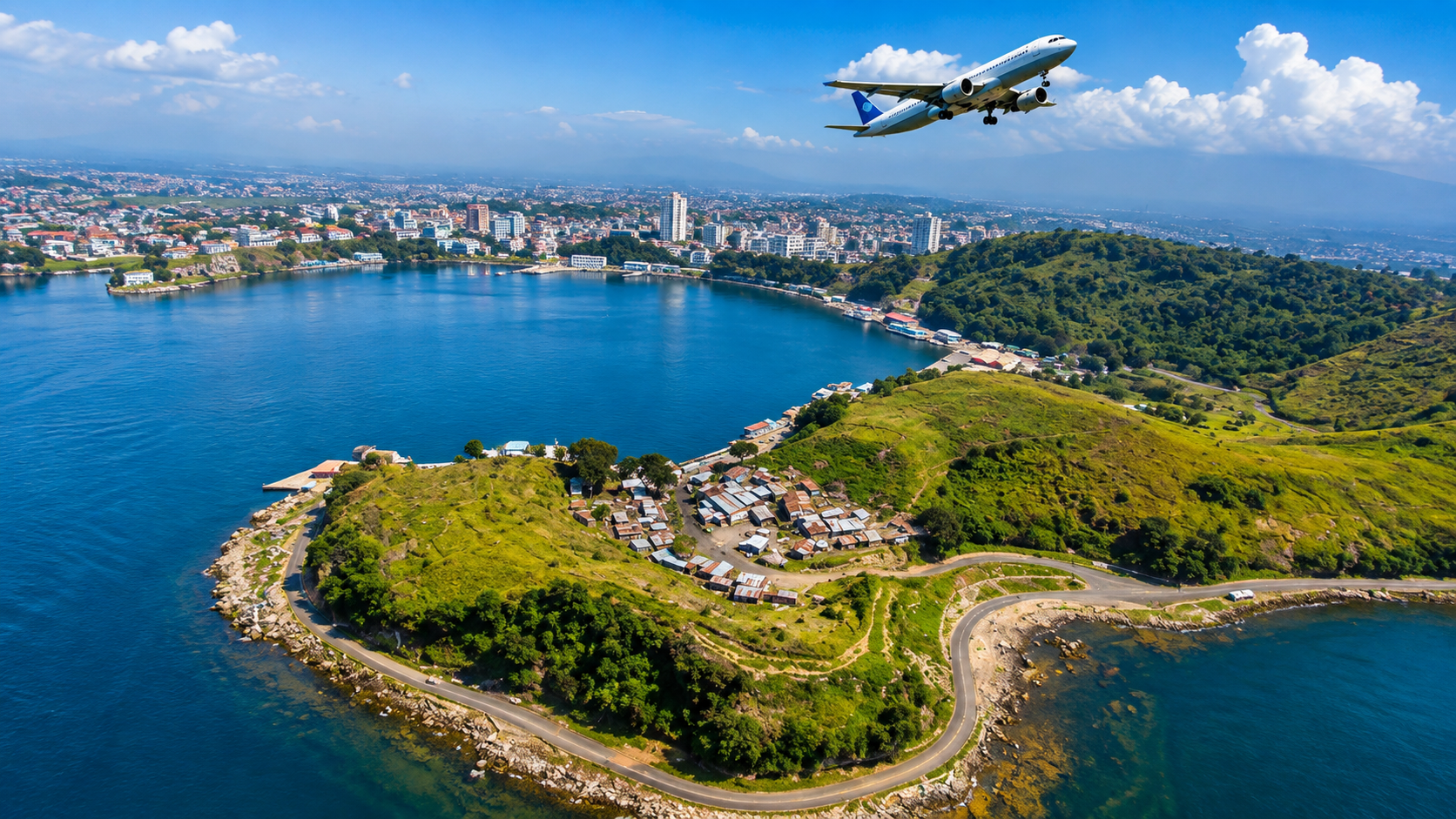








The departure boards inside Heathrow Airport barely stop changing anymore. Flights for New York , Dubai , Singapore , Paris , Toronto, and Madrid keep pouring into terminals with people rushing about pulling suitcases over polished floors, and the boarding announcements keep bouncing off the crowded gates.
On the surface, the UK’s airline industry still appears powerful, busy, and connected worldwide. Aircraft carry on climbing above London every few minutes, transporting millions of travellers toward places across Europe , North America, Asia and the Middle East.
But behind all those full terminals, and those pretty crowded runways, the industry is running into a different sort of reality in 2026.
The pressure seems to come from almost every direction at once.
Fuel costs stay hard to pin down. Passenger expectations keep inching upward. Environmental scrutiny is becoming harder to ignore, like it’s not even optional anymore.
Air traffic congestion keeps messing with schedules across Europe, while the airlines are also juggling staffing shortages, operational delays, and that relentless international competition. The UK’s aviation industry isn’t stopping , but it’s moving into a far more difficult phase than many people pictured.
Travellers can already sense some of this.
Ticket prices keep shifting constantly, based on demand and fuel market swings. The most popular summer routes sell out sooner than before.
Delays across Europe ripple into UK airports almost every day during peak travel weeks. Airlines are trying to hold onto reliability while also operating under tighter financial constraints at the same time.
And this careful balancing act is getting tougher year after year.
Inside airports like Manchester Airport and Gatwick Airport, passenger counts are still climbing again, like it never really stopped, because international travel demand stays strong.
Holidaymakers are heading toward Mediterranean beaches, business travellers are pushing across the Atlantic, and students, families, and tourists carry on moving through UK airports in really huge numbers.
And honestly, the demand never fully disappeared. People still want to travel , maybe even more than ever. That’s partly why airlines feel so much pressure right now.
Travellers expect smoother journeys, faster check-ins , tidier cabins, schedules that actually hold up , flexible booking systems, and instant communication whenever disruptions happen.
Social media changed aviation a lot because every passenger can now, in minutes, share complaints, delays, or whatever poor service experience online .
So one airport queue can turn into a viral video. One cancelled flight can also bruise an airline’s reputation overnight, without warning really. Airlines working in the UK know that visibility matters almost as much as operational performance now.
Companies are throwing serious money into customer apps, automated support systems, biometric technology , and quicker airport processing, because travellers patience is getting thinner and thinner.
At the same time, competition across European aviation has become very aggressive. Low cost carriers still dominate the short haur routes for the around Europe.
And the Budget airlines are reshaped for travel habits over the last decade, by making international budget travel for cheaper and easier for millions passengers for their trips on Weekend getaways between London, Barcelona, Rome, Amsterdam, and Prague became normal for lots of travellers , since affordable flights made spontaneous trips possible.
But that sort of competition keeps squeezing profit margins hard.
Traditional airlines now end up going head to head with low-cost carriers, while also fighting for the premium long-haul crowd against Gulf carriers, American airlines, and fast-growing Asian competitors. Honestly it feels like every market is packed , even before you look closer.
Meanwhile the skies over Europe are getting crowded too.
Air traffic congestion still sits as one of the main operational headaches UK airlines deal with right now. Flights that move through European airspace often run into delays , from rough weather, traffic bottlenecks, staffing gaps, or air traffic control limits.
And one delayed departure somewhere else can then ripple outward, affecting timetables across several airports within a few hours.
Passengers usually only notice that last bit, like the final delay notification.
Backstage airlines are constantly trying to reshuffle aircraft rotations, crew timetables, connections for passengers, baggage systems, and gate assignments. Aviation is basically running on a razor-thin schedule these days, because carriers try to squeeze maximum utilization out of aircraft every single day.
Sure that improves efficiency, and it also means the barely any slack when they unexpected problems pop up for aviation.
Fuel prices are another big concern for the Airlines realy on fuel costs that stay steady, but global lines energy markets keeps on moving in their ways that are hard to predict. If oil prices jump suddenly, that can be impact ticket pricing, route choices, and profitability almost immediately it will happen.
They see it fast, through margins that keep shrinking.
For UK carriers already pushing through crowded international competition, that kind of volatility puts real financial strain. Some airlines react by tweaking schedules or raising fares quietly during peak demand periods. Others lean hard on fleet modernization, because newer aircraft burn less fuel and lower operating costs over time.
Modern aircraft have become really incredibly important ,almost like, for survival. Passengers also expect more comfort now when they’re doing long-haul trips.
Airlines are upgrading their cabins with better entertainment systems, stronger Wi-Fi, bigger overhead storage, quieter interiors, and improved seating designs , mainly because travellers compare experiences globally rather than just locally.
A person flying from London to Singapore might end up comparing that trip with airlines based in Dubai, Doha, or even Singapore itself. This whole thing kind of lifts expectations across the entire industry, not just for one route.
On top of that British aviation is facing increasing environmental pressure. Climate discussions are reshaping the future of flying ,and it’s doing it faster than many airlines originally predicted. Environmental groups are keep on criticizing the aviation emissions while governments across Europe push for stricter sustainability targets.
The conversation are completely changed in the flights in last few years. People still fly regularly, but more passengers now ask questions about emissions, sustainability, and environmental responsibility. Airlines know they can’t ignore those concerns anymore , even if they try to.
The industry is trying to adapt, although the transition feels complicated and a bit uneven. Sustainable aviation fuel projects are expanding gradually, and airlines are investing a lot in newer aircraft meant to reduce emissions and improve fuel efficiency.
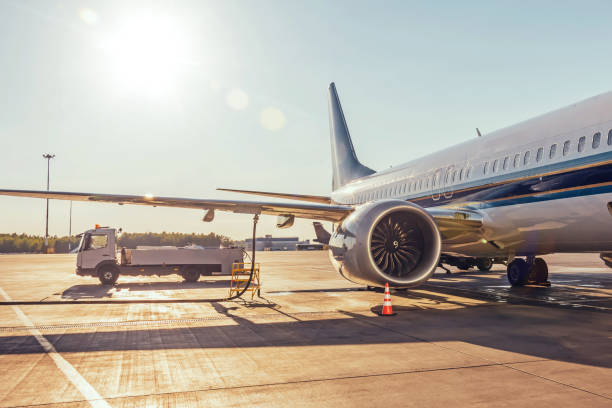
At the same time airports across the UK are modernizing operations too ,using cleaner ground vehicles, smarter energy systems,and upgraded infrastructure aimed at lowering overall environmental impact.
Still, aviation remains kinda hard to fully decarbonize completely, or at least that’s what it feels like most days. Aircraft need huge amounts of energy, especially on long haul routes linking the UK with North America, Asia, and the Middle East.
So airlines have to balance environmental expectations against the plain economic reality, that global travel demand keeps growing. And it really is growing.
London still shows up as one of the world’s biggest international travel hubs. Every month millions of passengers pass through for tourism, finance, education , entertainment, business partnerships, and global events.
The UK’s airline industry supports big chunks of the national economy directly and indirectly, in ways that are not always obvious until you look closer.
Without aviation, modern Britain would be functioning way differently. Tourism alone depends a lot on strong international flight networks.
Visitors come from across the world to see London’s landmarks, Scottish landscapes, football culture, music events, universities, shopping areas, and the more historical stuff. Meanwhile business travel stays just as important, because the UK keeps serving as a major financial and corporate center.
That constant movement keeps airports active year-round, even when people don’t think about it. Technology is becoming one of the industry’s major tools for dealing with the pressure coming next.
Artificial intelligence now supports to the airlines in predicting maintenance problems, and they improving usage fuel cost, managing crew scheduling, and also strengthening customer to communication in the Airports and rolling out of biometric systems, digital boarding procedures, automated baggage handling, and real time passenger flow tracking.
Most travellers only really see the convenience side of it. Shorter queues at security. Faster check ins. Better flight notifications and those little updates that feel oddly important when you’re travelling.
But behind those changes there’s a big amount of operational complexity, powered by software, and data analysis too.
Labour shortages remain, like, another headache the UK aviation sector still has to deal with. Airports and airlines keep needing trained pilots, engineers, baggage handlers, security staff, and cabin crews too, all so they can cope with growing passenger numbers.
Recruiting and then holding onto skilled workers got noticeably harder after years of industry disruption and all the shifting employment patterns even now.
That shortage can mess with operations really fast, especially during those peak travel periods when everything feels packed. If there’s not enough staff in just one area, delays can ricochet across entire airport systems in a matter of hours, and suddenly it’s not one small problem anymore.
Still, despite all that, the industry keeps going, because the hunger for travel stays incredibly strong. Families keep booking holidays. Students keep flying abroad.
Businesses still rely on international meetings and partnerships. Travellers carry on chasing new experiences across Europe and beyond.
Flying is, honestly, tied in pretty tightly to modern life. Every evening across the UK, aircraft continue to accelerate down wet runways under grey skies, while passengers get settled into seats headed for cities spread around the world.
Inside terminal, the coffee shops are all busy, the departure boards never really stop for the changing, and travellers move through the security with passports, headphones, backpacks, and this quiet belief in smooth journeys ahead.
The UK’s airline industry are moving into the tougher, more demanding chapter. The competition is sharper. The expectations are higher. The pressure is nonstop.
But the skies above Britain are still crowded with aircraft, and for now, the industry keeps pushing through every challenge waiting just ahead.