








The Philippines is sort of a dream destination made up of more than 7,600 islands, and each one brings its own kind of beauty and those unforgettable moments.
You can find lively cities, historic places, white-sand shores, crystal clear waters, green mountains, and tropical rainforests all in the same country, so basically there’s something here for every kind of Traveller.
Whether you want adrenaline, rest, cultural discoveries, or just island hopping nonstop, the Philippines keeps promising an incredible journey, end to end, like it never really stops.
Flying to the Philippines is one of the most convenient ways to kick things off. Big international airports connect the country with many destinations across Asia, Europe, the Middle East, Australia, and North America
Locals are often described as friendly in that easy, welcoming way, so visitors tend to feel at ease wherever they go.
Each island kind carries its own traditions, its own flavours, and its own attractions, so you keep running into new stuff even when you’re sure you already got the best part. From Manila’s busy streets to Palawan’s quiet beaches, every stop leaves little memories that seem to stay longer than you expect.
Manila is usually the first kind of real stop for international travellers, and then after that it just keeps building. Since it’s the country’s capital, it combines modern city life with centuries of history.
You’ll see tall skyscrapers right beside Spanish-era churches, museums, and historic areas that help explain the Philippines rich past.
One of the city’s most famous attractions is Intramuros this old walled city that was built during the Spanish colonial period. Walking along its stone streets feels like stepping back in time, sometimes you can almost hear the past.
Historic churches and forts, plus small museums, and the charming plazas here, all of that gives visitors a kind of glimpse into the nation’s heritage.
Fort Santiago is still one of Manila’s most visited landmarks. This historic fortress played a major role in Philippine history, and it also has beautiful gardens, preserved architecture, and really interesting exhibits that keep people looking around.
Rizal Park is another popular destination where visitors can unwind while learning about the country’s national hero, Dr. José Rizal. Nearby museums highlight Filipino art, culture, and history, so the whole area feels ideal for travellers who want to understand the nation’s identity a bit deeper.
Modern Manila is pretty great for shopping malls, rooftop restaurants and also that lively night time energy, plus entertainment areas that keep going even later into the evening.
And the city’s food mix is something else, so travellers can try traditional Filipino dishes, alongside international cuisine which is honestly a pleasant surprise.
Ninoy Aquino International Airport serves as the country’s busiest airport, and it connects Travellers with nearly every major destination throughout the Philippines, so it’s pretty hard to miss.
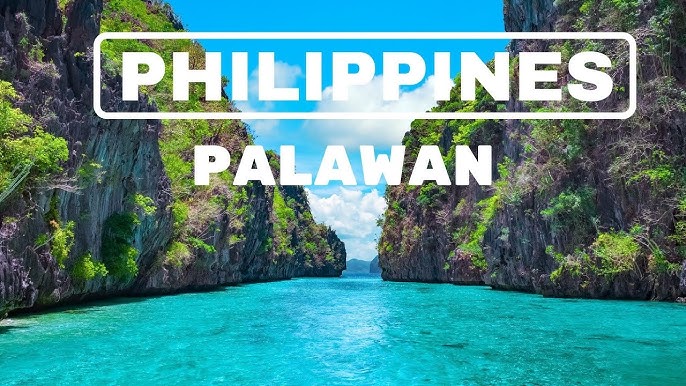
One of the country’s most spectacular destinations is Palawan.
It’s often listed among the world’s most beautiful islands, and Palawan is known for limestone cliffs, turquoise lagoons, hidden beaches, and natural areas that still look untouched and calm.
El Nido sits at the northern tip of Palawan, and it brings in Travellers from all over. Island hopping tours take visitors through crystal-clear water, secluded lagoons, white-sand beaches, and towering limestone formations.
Every stop feels like a tropical postcard scene, like too perfect to be real.
Kayaking through narrow lagoons, snorkeling above bright coral gardens and just lounging on quiet secluded beaches make El Nido sort of a must see, for almost any Philippine trip. And yeah, it really does feel like one of those highlights you keep thinking about after you go back home.
Further down the map, Coron also delivers a very similar vibe, but with even more wild scenery. The island is known for clear lakes, sudden dramatic rock shapes, and some of the best diving spots on the planet.
You also get World War II shipwrecks resting under the water, so divers come from all over, like it’s a kind of global call.
Kayangan Lake is another big one, with crystal clear waters tucked in between tall cliffs. It has basically become one of the Philippines most photographed scenes. Usually people hike up to a few scenic viewpoints first, then they dip into the calm lake for a swim, no rush at all.
Then there’s Puerto Princesa, which is the capital of Palawan and also home to a world famous attraction.
The Puerto Princesa Underground River winds through an amazing cave system and it’s recognized as a UNESCO World Heritage Site. Boat tours help visitors glide past impressive limestone formations while they also pick up details about the place’s unusual ecosystem.
Getting to Palawan is pretty straightforward thanks to domestic flights from Manila, Cebu, and several other major cities. So planning it doesn’t have to feel complicated.
Cebu meanwhile blends pretty beaches with history that’s easy to feel. As one of the oldest cities in the Philippines, Cebu helped shape the country’s early development in a major way. Travellers can stop by Magellan’s Cross, Basilica Minore del Santo Niño, and Fort San Pedro to understand why this city matters so much.
It also works like a stepping stone to more island adventures that are waiting nearby.
If you head to places like Moalboal, you’ll find top notch snorkeling and diving. Swimmers can often see sea turtles up close, and you can catch the famous sardine run where millions of fish move together in huge schools, almost like they’re following a rhythm.
Oslob pulls in visitors who are curious about whale sharks in the wild, their natural habitat, like they almost belong there. Of course, responsible wildlife tourism should come first, but still the whole experience stays one of the region’s major draws, really.
Mactan Cebu International Airport helps connect Travellers to places all over the Philippines, and even to neighbouring countries.
Because of that, Cebu makes sense as a great stop when you’re doing some multi island trip, not just a quick single hop.
Boracay has built a reputation as one of Asia’s best beach destinations. White Beach, with that powder soft sand and crystal clear water runs along the island’s western side, and it basically sets the tone for total chilling.
People spend their days swimming, paddle boarding, sailing, or just soaking in the tropical scenery. When the evening comes, sunset cruises deliver these unforgettable views, with the sky shifting into orange, pink, and purple shades.
And it’s not only sea time. Boracay also has lively restaurants, beach bars, local markets and water sports, so Travellers can get both excitement and that relaxed mood, depending on the day.
Getting to Boracay is pretty straightforward: domestic flights first, then a short transfer, and suddenly you’re there without too much fuss.
Bohol then kind of shows visitors a more special side of the Philippines, like it’s not just a normal stop. The island is famous for the Chocolate Hills, a striking scenery with more than a thousand cone shaped hills that turn brown when the dry season arrives.
At the same time, the Philippine Tarsier Sanctuary lets visitors see one of the world’s smallest primates in a protected environment, so they can simply watch without hassle.
Those little tarsiers have turned into one of the country’s most recognizable wildlife attractions, almost instantly.
Panglao Island, close to Bohol, brings its own kind of charm, with lovely beaches, diving locations, and luxury resorts. The atmosphere here is calmer, so it feels ideal for Travellers who want a peaceful island getaway, no noise, no rush.
Northern Luzon shows off the country’s mountain scenery, plus a lot of traditional life, kind of all at once, even if you don’t plan it. Banaue stands out, for those ancient rice terraces, cut into the mountainsides, over two thousand years ago.
People often call it the “Eighth Wonder of the World” but it’s still, realistically, one of the Philippines’ biggest engineering feats, period.
When you’re there you can hike through small villages and, meet Indigenous communities, and then you get those wide panoramic mountain views. At the same time you learn how local traditions are still alive today, not just in stories.
If you like nature, you’ll probably enjoy the country’s volcanoes, waterfalls, and national parks too.
Mount Mayon is especially talked about because of its super symmetrical cone, it basically creates one of the most recognizable landscapes in the Philippines.
For adventure seekers, there’s hiking, ATV rides, and photography around the volcano, plus you get to stare at that impressive beauty without rushing.
Siargao Islands, well, they’ve been getting popular, more and more, especially for surfers and beach lovers. It’s often described as the surfing capital, so Siargao draws Travellers with world class waves, coconut palm forests, secret lagoons and a laid back island feeling.
Even if you never touch a surfboard, there’s still plenty like island hopping tours, natural rock pools, mangrove forests, and calm beaches where you can just… exhale.
And honestly, the Philippines is also amazing underwater. Snorkeling and diving fans can wander coral reefs full of bright fish, sea turtles, rays, and a bunch of other marine life. Tubbataha Reefs Natural Park is still a top diving spot worldwide, while Apo Reef and Apo Island also pull in underwater explorers, all the time.
Then there’s the food, which is another big reason people keep returning. Each region has its own specialties, so you can try new flavours along the way, over and over, like a quiet little travel habit.
Traditional dishes like adobo sinigang lechon, pancit kare-kare, and halo halo show how many culinary influences the country has, kind of layered.
Fresh seafood, tropical fruits, and local desserts also bring this extra range to almost every meal you end up eating.
Street food markets feel more real, it’s the kind of place where Travellers can try grilled meats rice cakes and fresh fruit shakes, plus regional specialties. And you’re not just looking from the side, you actually talk with local communities which makes it less staged, more human.
Filipino festivals add even more energy to a trip. Like Sinulog in Cebu, Ati-Atihan in Aklan, and Pahiyas in Quezon.
Streets fill up with vivid costumes, music, dancing, and traditional performances, it just keeps going. Festivals like these mirror the country’s happy spirit and also its deep cultural roots, even when you don’t fully understand every detail at first.
Getting around the Philippines by air is seriously convenient.
Since the country is made up of thousands of islands, flights help visitors stretch the vacation time, while still cutting down on travel time in general, which is a big deal.
Main airports in Manila Cebu Davao Puerto Princesa Bohol Caticlan Iloilo, and Siargao make connections pretty easy across the archipelago. Travellers can form flexible itineraries, tossing in multiple islands without sitting through long ferry rides for hours.
A visitor might spend a few days checking out Manila’s historic attractions, then fly to Cebu for cultural experiences. After that, go on to Palawan for island adventures, unwind on Boracay’s beaches, explore Bohol’s natural marvels, and end the trip surfing in Siargao, all in one unforgettable run.
The Philippines keeps pulling in Travellers, because it somehow manages to be astonishingly various. One place to the next and you get fresh views, other traditions, proper good cuisine, and people that feel genuinely friendly.
That mix of slick city life with Quiet Island stretches, plus older history and jaw-dropping landscapes… it all comes together like nothing else in Southeast Asia, at least not in the way you’d expect.
When you fly across the Philippines, it feels like you’re stepping straight into a long line of little adventures.
From the time worn streets of Manila and the warm tropical calm of Palawan, all the way to the pale sands in Boracay and the rugged mountain scenery around Banaue, every stop shows yet another reason why the Philippines is still counted among the most gratifying travel spots on Earth.
No matter if you’re aiming for a laid-back beach break, a hop here hop there island tour, a deep cultural immersion or just a nature focused getaway away from noise, the country basically keeps offering more to uncover. With solid flight connections, internationally known attractions, and unforgettable scenery tucked around nearly every corner, this special island nation really deserves a spot on everyone’s travel bucket list.