





Singapore might be one of the smallest countries on the planet, yet it keeps dishing out experiences that feel like they rival places much larger.
This island nation has kind shifted itself into a global travel hotspot where futuristic architecture, cultural roots, top tier attractions, and seriously amazing cuisine all fit into a space that’s surprisingly compact.
For those arriving by air, Singapore provides one of the most easy going, enjoyable city arrangements anywhere in the world.
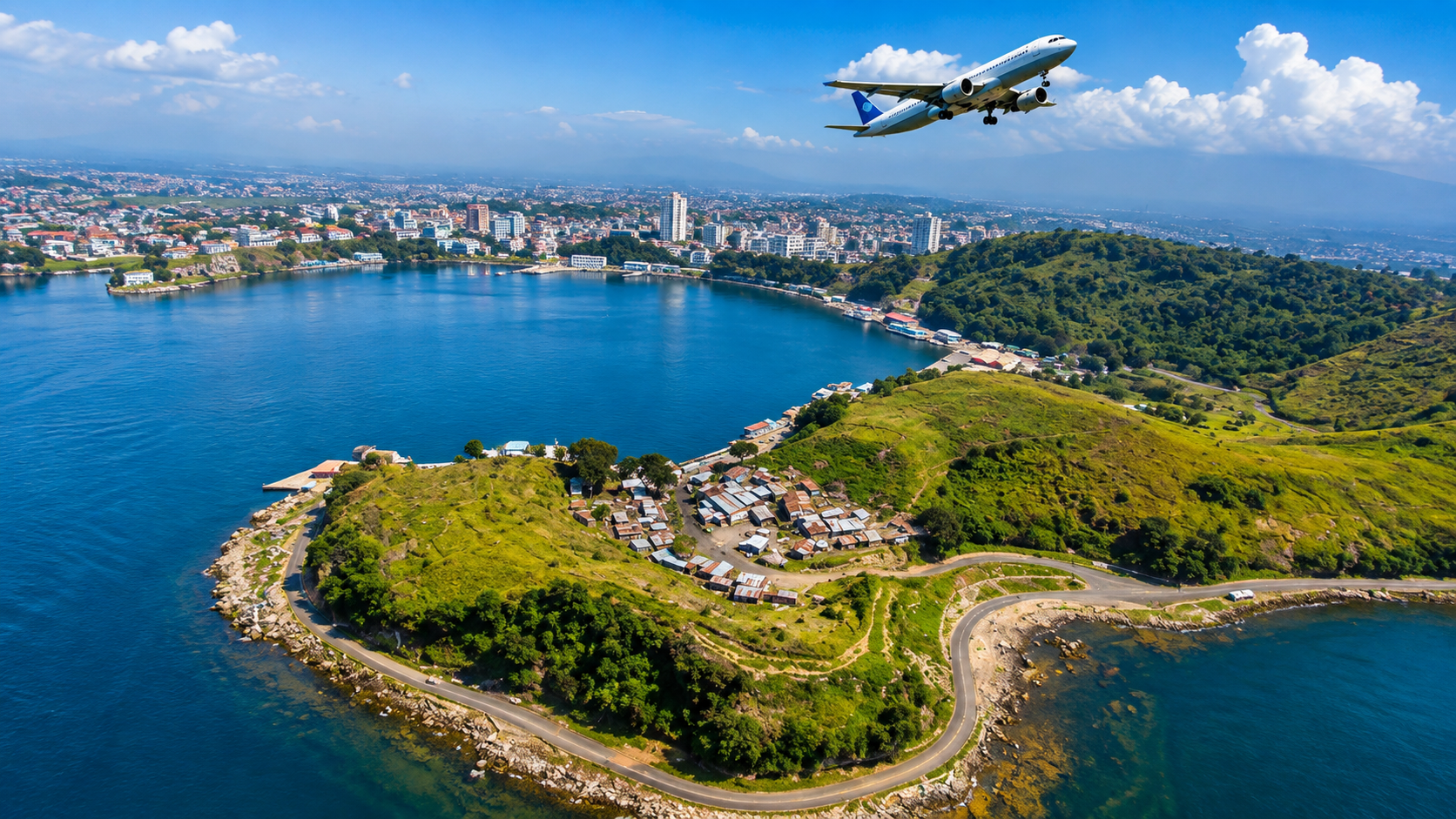
The minute a plane starts descending toward Singapore, passengers often spot the skyline emerging from the coastline and honestly it’s pretty hard to miss.
Modern skyscrapers, patches of greenery, busy shipping lanes, and carefully planned residential zones come together in a view that basically tells you, you’re arriving somewhere distinct.
Singapore’s role as a major aviation hub makes it possible to reach from almost every corner of the globe, and that’s one big reason millions of travellers pass through the city each year.
A lot of visitors kick off their trip at Changi Airport.
It’s more than just a place to wait it’s kind of an attraction in its own hush-hush way. Airports are usually where people rush around, but Changi kind of says slowdown to travellers, so you end up lingering and wandering.
You’ve got indoor gardens, little waterfalls, entertainment areas, shopping streets, and plenty of dining spots.
All of that makes it feel less like a transport stop, more like a spot you’d actually plan to see. Some people even pencil in extra time before their flights just so they can take in the airport itself.
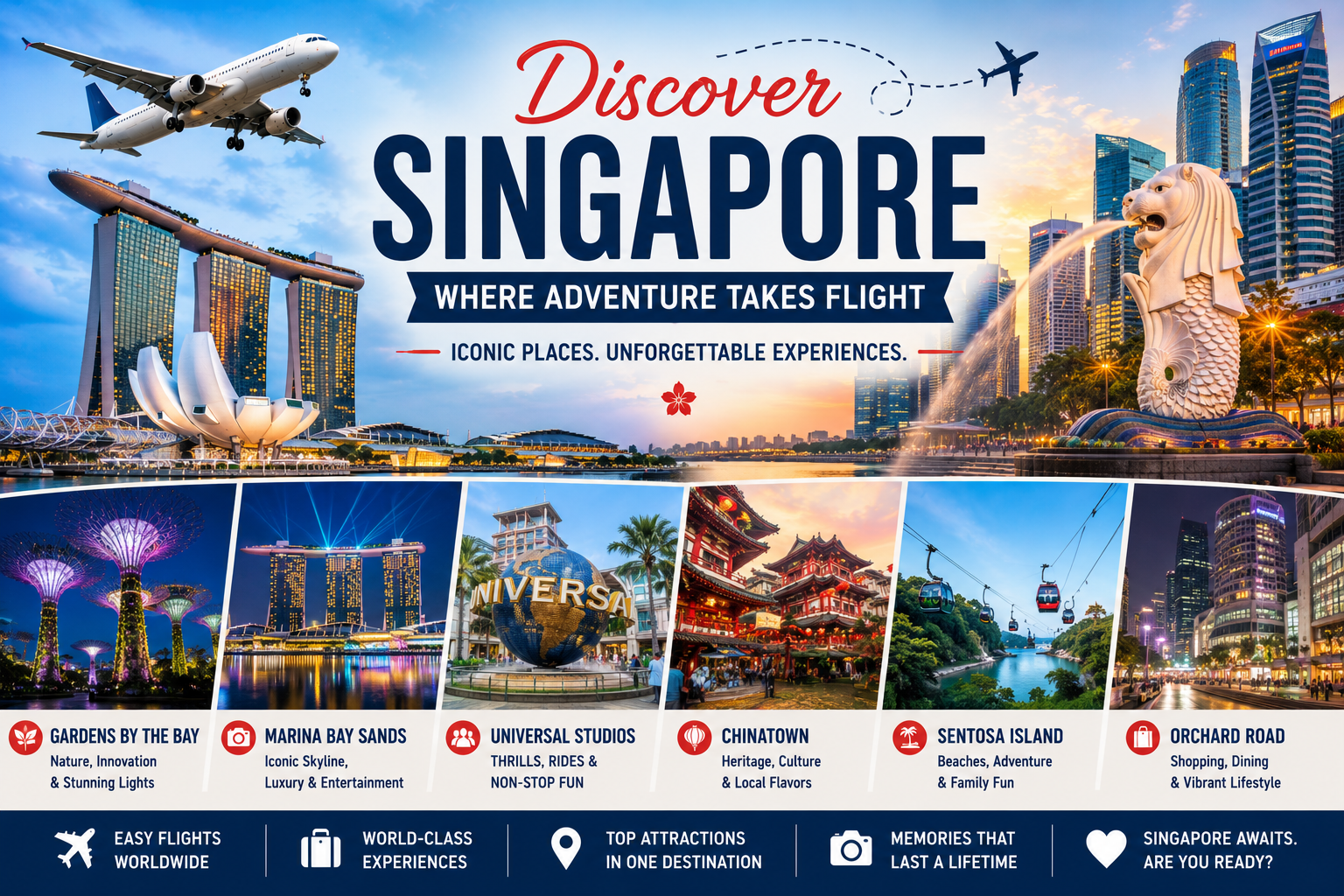
Once you’re in the city, one site grabs attention fast Marina Bay Sands.
That huge integrated resort has turned into one of Singapore’s most recognizable landmarks.
Its design, with three towers connected by a rooftop structure, sits right at the top of the skyline and shows up in countless travel pictures, and you can spot it from miles away, if the light is right.
You do not really have to stay at the hotel to feel how much it matters.
The Marina Bay area around it gives spectacular views, and yeah especially after sunset, when the lights kind of bounce and reflect across the water.
If you walk along the waterfront you’ll start to understand why this side of Singapore is, honestly, one of the city’s favourite gathering places.
At night the skyline seems even more impressive, because illuminated buildings make everything look almost futuristic, like a clean sci-fi scene.
Not far away, Gardens by the Bay sits there, and it kind of represents Singapore’s style of building cities in a very direct way. Rather than just dropping up buildings and roads the city has invested a lot in creating green spaces, and somehow they manage to blend technology with nature.
The famous Super tree Grove is the first thing that grabs you. These towering structures look like something out of a science-fiction film, especially once it gets dark and the evening shows begin, turning them into a glowing display.
But the gardens are not only for eyes, there’s more than visuals. Visitors can wander through climate controlled conservatories full of plants that come from many places around the globe.
It can feel like you are crossing several different continents, without actually leaving Singapore, which is kind wild.
The blend of engineering, eco oriented design and creative thinking makes Gardens by the Bay a must see stop for most people.
And for travellers who want culture and some older stories, Singapore offers more than just a sleek modern face.
Chinatown is still one of the most fascinating neighbourhoods, traditional shop houses line those busy streets where markets, eateries, temples, and local shops keep going like it’s completely normal, day after day.
The area holds onto parts of Singapore’s past, while also adjusting for modern tourism.
Visitors usually end up spending hours just wandering around the area, kind of sampling local dishes, checking shops, and taking in historic landmarks too.
The Buddha Tooth Relic Temple draws worshippers and tourists alike, and it somehow gives you a real peek into the community’s cultural heritage, like you can feel it in the air.
Seems like every corner has yet another small story, some interesting detail, or a hidden thing to notice if you slow down a bit.
Then Little India is like a total switch. You get bright colours, aromatic spices, loud lively music, and bustling markets all at once, and it kind feels like you’re in a different place, far away from Singapore’s financial district.
When you walk through the neighbourhood it kinda grabs your senses, and doesn’t really let go.
Restaurants dish out authentic Indian cuisine, and flower vendors hang colorful garlands, then historic temples just keep welcoming visitors who are curious about the local customs, and everyday spiritual life.
A lot of travellers also like that Singapore makes it easy to taste different cultures without needing to go too far away. The country’s multicultural identity is still, one of its biggest strengths.
Chinese, Malay, Indian, and other communities have helped shape a place where varied traditions sit side by side and quietly steer daily routines. Another area, pretty much worth walking into, is Kampong Glam.
It used to be the center of Singapore’s Malay community, and now the place mixes old history with contemporary creativity.
The majestic Sultan Mosque acts like the anchor, while nearby streets keep pulling you along with independent boutiques cafes, street art, and other cultural attractions.
Overall the district has grown into one of Singapore’s most photogenic spots, honestly hard to ignore once you’re there.
Food plays a major role in nearly every Singapore travel experience, and some visitors really do sort of build an entire itinerary around eating which is kind of funny but also true. The city has, of course earned an international reputation for its culinary scene, and a lot of that buzz comes from its famous hawker centers.
In these food complexes you get dozens of vendors in one place, serving up dishes that show Singapore’s multicultural heritage in a very direct way.
Maxwell Food Centre, Lau Pa Sat, and Old Airport Road Food Centre pull in both locals and tourists who want to try real flavours, not just food vibes. A single visit might have chicken rice, laksa, satay, roti prata, chili crab, and countless other specialties that you didn’t plan to taste until you’re already there.
The quality often catches first time visitors off guard. And a lot of meals cost just a fraction of what travellers might expect to pay in other major global cities.
Sentosa Island then offers another side of Singapore, entirely.
It’s connected to the mainland by road, rail, and cable car, so it kind of feels like a dedicated entertainment bubble.
The beaches, resorts, attractions, plus all those family-friendly activities bring in visitors who want relaxation and excitement without too much thinking.
Universal Studios Singapore stays one of Sentosa’s biggest draws.
Families can spend the whole day there, riding, watching shows, and exploring themed attractions that keep everything moving.
In the area you can also find aquariums, adventure parks, zip lines, and waterfront dining. The sheer variety means there’s usually something that fits travellers of all ages, even if they’re picky, or kind of indecisive, like people often are.
Nature lovers sometimes get this little pleasant shock when they first look at Singapore. Yeah it s known as super urban, but the city also keeps quite a lot of green pockets, habitats for wildlife too.
The Singapore Botanic Gardens is basically the best proof of that. Because it s officially a UNESCO World Heritage Site, people tend to go there for quiet, wandering trails and those calm landscapes plus honestly impressive collections of tropical plants.
Then there s the National Orchid Garden which is still one of the biggest highlights.
You ll see thousands of orchid varieties, and they sort of show off bright colours that keep grabbing visitors year after year.
Wandering around those paths is like a cool breath of air, a genuine shift from the nearby cityscape even if you can still hear traffic in the distance, kind faint.
On the animal front, Singapore Zoo keeps getting praised, not only in a polite way either , it s regularly brought up among the world s best zoological parks. The whole idea leans into naturalistic habitats and immersive encounters, so guests can feel more aligned with the creatures they meet.
Then comes the Night Safari , which adds yet another layer, letting travellers observe nocturnal animals in carefully designed spaces. It ends up feeling special and slightly different from the day-time routine, like the same theme but with a darker mood.
And if you want wide, panoramic city views, many guests naturally head toward observation decks all around Singapore.
The Marina Bay area has a few strong viewpoints, while the Singapore Flyer gives a slower, more unhurried perspective. As the giant observation wheel turns above the city, passengers get to see the skyline, the harbour, and stretches beyond it into nearby regions.
Shopping is still a big draw, Orchard Road which is pretty much Singapore’s most celebrated shopping strip stretches out with malls, small boutiques, grand department stores and those upscale luxury brands you notice right away.
If you’re into fashion, electronics, souvenirs, or local made goods, a lot of travellers end up giving the whole day to walking around there, comparing everything kind carefully.
But Singapore’s pull isn’t only about one place or one attraction.
The whole city feels strangely simple to get around in. Public transport is spotless runs smoothly and it doesn’t really seem to let you down.
You’ll see signs in more than one language and most guests just adapt quickly, bouncing between districts without too much stress, and that helps you spend more time enjoying what you actually came for instead of fretting about routes, or timing, or whatever.
Safety is another reason people keep coming back. Visitors often feel calm exploring during both daylight and night time. Clean streets, well kept public areas, and strong infrastructure make it easier to just sit with it, breathe out, and enjoy the vibe.
Also, Singapore keeps changing, which matters more than you’d guess.
Fresh attractions, new restaurants, different entertainment choices, and cultural activities keep popping up. So even if someone already visited a few years back, returning can still feel a bit unexpected because there’s usually something newly made waiting for you.
And since Singapore acts as a major global aviation hub, many travellers fold it into a larger trip. Some arrive for a layover then realize fast that they should’ve planned longer.
Others set aside several days on purpose, then continue later to other parts of Asia, or even farther beyond, once they’ve had time to explore properly.
Singapore is particularly impressive because it gives you so much, in a relatively small geographic area, it’s kind wild. Visitors can spend the morning wandering through cultural districts, grab lunch at a well known hawker center, then later in the afternoon unwind inside a botanical garden, and in the evening, finish off watching the lights ripple across Marina Bay.
Not many places manage to fit that many different experiences so close together.
As global travel just keeps getting bigger, Singapore still sits pretty close to the very top, as one of Asia’s most alluring city destinations.
Airlines hook it up to hundreds of cities worldwide, so getting in is usually easy and pretty convenient.
After touchdown, travellers quickly feel like they’ve stepped into a place where innovation, tradition, lots of greenery, entertainment, and genuine kindness show up side by side, in a way that only a few other cities can pull off.
Whether you’re staring at sleek futuristic buildings, wandering through older neighbourhoods, trying local small plates, taking a breather on Sentosa beach, or catching those skyline views once it’s dark, Singapore keeps tossing out small moments that stay in your mind long after you’ve left.
And honestly, that’s a big reason so many travellers return again and again, year after year.
A flight to Singapore isn’t just transportation to another place. For many travellers, it’s really the start of an unforgettable trip through one of the world’s most remarkable urban environments.
Every neighbourhood, attraction, and cultural experience adds another layer to a city that never seems to stop experimenting, or impressing its visitors in new ways.