









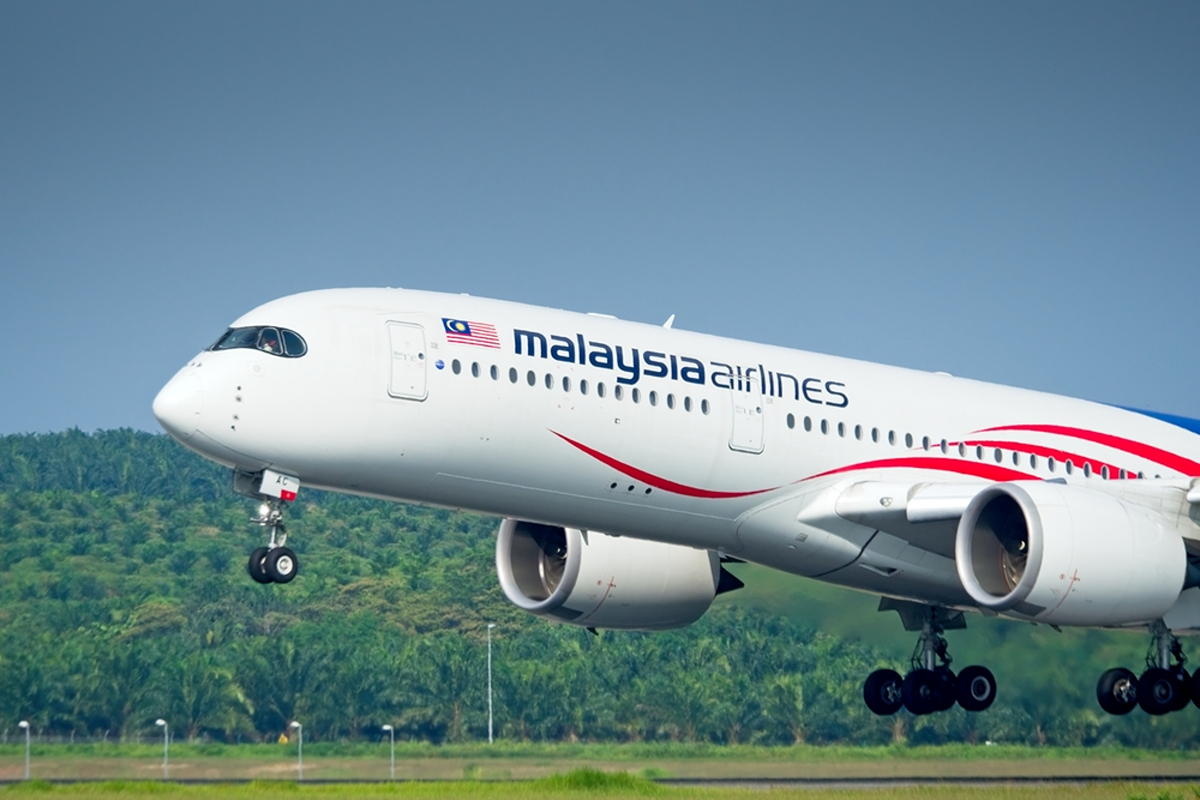
The departure boards inside Kuala Lumpur International Airport rarely, or rather never really, stay still for long.
Flights to Singapore Bangkok, Jakarta Tokyo Sydney Dubai London, and dozens of other places keep arriving then leaving all day.
Travellers drift through the terminals with everything from work laptops and holiday luggage to backpacks loaded with small treasures souvenirs, and the kinds of travel necessities people insist they’ll definitely need.
The rhythm feels oddly familiar, but the aviation industry running behind all those flights is changing faster than a lot of passengers might admit.
Malaysia’s airlines are sort of moving through a travel economy that’s pretty different, in 2026.
Passenger demand is still healthy, but the habits, expectations, and those priorities travellers bring with them have shifted a lot. Like, airlines can’t just lean on the same approaches that used to work a decade ago, anymore.
Today’s travellers book in a different way, spend in a different way, and ask for far more adaptability from the carriers they choose.
The whole scene is adjusting because honestly it has no other option.
Across Asia travel demand keeps growing, but people have started being more careful about how they spend.
Inflation, shifting work routines, rising daily living costs, and fresh travel patterns are shaping decisions at every step, even before anyone clicks confirm.
People still want trips, yes, but they look for worth in a way that feels sharper than before.
That change is, reshaping Malaysia’s aviation sector.
For years airlines leaned hard on filling seats and stretching networks. Those objectives still matter, but making money now depends on grasping what modern travellers actually value, not just what they might buy.
Some travellers chase minimal prices above all else. Others care more about flexibility, comfort, digital ease, or loyalty benefits that add up over time.
The market has become, frankly, more intricate.
Airlines can’t treat everyone like they’re the same traveller anymore.
A family planning, a holiday to Langkawi might come in with completely different expectations than a business traveller flying back and forth between Kuala Lumpur and Singapore.
A student backpacking across Southeast Asia usually isn’t after the same kind of day to day experience as a luxury traveller heading toward Europe or Australia.
Figuring out those differences, became essential, kind of quickly really.
Malaysia’s aviation industry finds itself in a pretty strong geographic spot.
The nation bridges big parts of Southeast Asia, plus it opens the door to key international markets across Asia Pacific, the Middle East, Europe and Australia.
This location really does create workable chances, yet at the same time it ignites pretty stubborn competition.
Airlines across the region are expanding aggressively, and it shows.
Carriers from Singapore, Thailand, Indonesia, Vietnam, and even from the Gulf keep going after the same passengers.
Every airline wants a larger slice of the market, particularly on high-demand international routes where the money opportunities are usually biggest. So the competition ends up shaping nearly every decision airlines make.
Ticket pricing, route planning, loyalty programs, onboard services, and digital platforms are all changing nonstop as carriers try to pull customers in and keep them.
Passengers do benefit from that.
They often end up with more flight options, better technology, and services that feel more advanced than what earlier generations had.
Still, airlines face more and more pressure, to deliver those upgrades while also holding the line on costs.
And the challenge isn’t really straightforward. Fuel keeps being one of the biggest expenses in aviation, and global energy markets can shift fast.
If fuel prices jump suddenly, airline profitability can feel it almost immediately. Meanwhile, passengers often push back against big fare increases, so carriers are stuck in this difficult balancing act, every single time.
New aircraft guzzle less fuel, they need less upkeep, and honestly passengers seem to get a nicer ride. Airlines across Malaysia keep putting money into fresher fleets because efficiency now matters a lot for staying competitive over time.
Passengers notice it too, not in a dramatic way, but in those small daily moments.
Cabins feel quieter. Air quality systems have gotten better. Entertainment options are improved, and the aircraft tech helps with smoother journeys.
Modern planes end up helping both airlines and travellers, so it’s a pretty solid investment even if the upfront costs are high, and everyone knows that part.
And digital technology is changing aviation almost just as fast.
A few years ago booking a flight might mean going through travel agencies, getting printed tickets, and dealing with a pretty narrow set of choices. Now most travellers just handle everything with smart phones. They compare fares, pick seats, buy add on, track flights, and manage their routes without ever actually speaking to an airline employee.
That convenience has sort of become the baseline expectation.
Airlines that don’t deliver strong digital experiences, could lose customers quickly. Like, you won’t even notice the decline at first, then suddenly you do.
Inside Malaysia’s airports technology is doing its own work too. Automated check in, self service baggage drops, biometric checks, and digital boarding routines help handle more people with less crowding.
Travellers want the process to feel fast. They want information that’s accurate and on time. They want an airport experience that feels easy rather than tense.
Meeting those expectations means constant investment, no pause button.
Social media also shifted the relationship between airlines and passengers. Every trip can become public content now. If it goes well, people may post travel videos, share suggestions, and leave online compliments.
If it goes badly, that kind of negative story can spread just as quickly, sometimes before staff even catch up.
So visibility matters more than ever.
Airlines understand that customer service is not just at the airport counters or only inside the aircraft cabins, it’s more in the way they talk with people when everything goes sideways.
Communication during delays, baggage troubles , cancellations, and other disruptions often ends up shaping public opinion just as much as the flight itself, maybe even more, depending on how messy the day becomes.
Tourism still plays a major part in how Malaysia’s aviation keeps growing.
Malaysia keeps attracting visitors, mostly people who want beaches, nice food, cultural moments , rain forests, sleek city living, and quick island breaks. Kuala Lumpur, Penang, Langkawi, Sabah, and Sarawak remain on the radar for international travellers who want a mix of experiences, all without having to leave the country.
And when tourism demand rises, airlines get fresh openings, both at home and abroad.
For example, a traveller coming from Europe might touch down in Kuala Lumpur first , then transfer onward to an island destination.
At the same time, regional visitors from nearby nations often do short weekend type leisure trips all year.
Even domestic passengers keep drifting between major cities and well known tourism areas like it’s routine.
Business-class passengers, these days sort of expect more privacy, real connectivity, real comfort and also flexibility. Reliable Wi-Fi, decent seating, airport services that actually work on time, plus a smoother overall journey have turned into a must rather than a nice to have.
And yes, the aviation industry is adjusting.
At the same time, environmental concerns are getting harder to ignore, too.
Airlines everywhere are facing more pressure to cut down on emissions and to improve sustainability, kind at once. Malaysia’s aviation sector has to deal with these issues while also keeping economic growth moving, and supporting the continuing rise in passenger demand.
But the way forward, isn’t exactly straightforward.
Air travelling is still pretty important for tourism, business travel, and international links. But the environmental expectations keep getting higher and higher, coming not only from governments but also from investors, and even from the everyday customer.
There’s also aircraft technology, which offers part of the answer.
Newer engines can improve fuel efficiency while cutting emissions. Sustainable aviation fuel initiatives are getting more attention across the industry, even if big scale rollout still runs into cost and logistics problems, all at once.
Airports are evolving as well.
Energy‑efficient infrastructure, smarter operational systems, and environmental programs are becoming more and more critical as airports plan for further growth.
Then there’s artificial intelligence, which is beginning to shape airline operations too.
More advanced platforms can forecast maintenance needs, improve scheduling, manage fuel more carefully, and react faster when disruptions happen. Most passengers never truly notice these tools, but they help in a very practical way, smoother journeys.
Because behind every successful flight, there’s an enormous amount of planning, and a lot of coordination that usually stays unseen.
Those overlapping travel rhythms help keep airline momentum alive.
Business travel remains significant as well.
Malaysia also works as a regional gateway for finance, manufacturing, technology, logistics, and international trade.
Corporate travellers still bring in real money, especially on the high frequency routes that link major business center across Asia.
But business travel isn’t quite the same now.
Virtual meetings spread more widely, so airlines have to reconsider what they assumed about corporate demand. More companies now travel with restraint, so airlines need to win harder for each individual business passenger.
Premium travel still counts, of course, but expectations have shifted, and not slowly.
Business-class passengers, these days sort of expect more privacy, real connectivity, real comfort and also flexibility.
Reliable Wi-Fi, decent seating, airport services that actually work on time, plus a smoother overall journey have turned into a must rather than a “nice to have”.
And yes, the aviation industry is adjusting.
At the same time, environmental concerns are getting harder to ignore, too. Airlines everywhere are under more pressure to cut emissions and improve sustainability. Malaysia’s aviation sector needs to handle these issues while still backing economic growth and the continuing rise in passenger demand.
But the way forward, isn’t exactly straightforward.
Air travel is still important for tourism, corporate movement, and international connections. Yet environmental expectations keep climbing, coming not only from governments but also from investors, and everyday consumers.
There’s also aircraft technology, which offers part of the answer.
Newer engines can improve fuel efficiency while cutting emissions. Sustainable aviation fuel initiatives are getting more attention across the industry, even if big scale rollout still runs into cost and logistics problems, all at once.
Airports are evolving as well.
Energy‑efficient infrastructure, smarter operational systems, and environmental programs are becoming more and more critical as airports plan for further growth.
Then there’s artificial intelligence, which is beginning to shape airline operations too.
More advanced platforms can forecast maintenance needs, improve scheduling, manage fuel more carefully, and react faster when disruptions happen.
Most passengers never truly notice these tools, but they help in a very practical way, smoother journeys.
Because behind every successful flight, there’s an enormous amount of planning, and a lot of coordination that usually stays unseen.
Weather conditions, crew schedules, maintenance requirements, air traffic management, passenger demand, and airport operations need to line up properly. And yeah, technology helps airlines juggle that kind of complexity way more effectively now than before.
Meanwhile the travel economy itself keeps moving forward, kind of quietly but also fast.
A lot of passengers now care more about the whole experience than about possessions.
Others mix work plus downtime, turning business trips into personal getaways, without making it too complicated.
Younger travellers often choose flexibility, not those stiff schedules with no room to breathe.
Airlines are adjusting to all that, using more flexible booking policies, adding extra ancillary services, and offering personalized travel options that actually feel relevant.
So the aim isn’t just getting passengers from one city to another anymore.
It’s about creating an experience that matches modern lifestyles.
Every evening, aircraft depart Malaysia heading toward destinations across Asia, Europe, Australia, and the Middle East.
Inside the cabins travellers get ready for holidays, business talks, family meet ups, university study, and a bunch of small personal adventures that don’t always show up on a brochure.
Some people are hunting for low cost fares. Others prefer premium comfort, and they mean it. Many just want dependability and convenience, simple as that.
Malaysia’s airlines understand that today’s travel economy calls for flexibility, innovation, and constant adjustment. Passenger expectations will keep shifting. Technology will keep advancing. Competition will stay intense, no question.
The airlines that end up winning might not be the biggest ones.
They’ll be the ones that catch on how travellers are changing, and respond quickly enough to meet them where they are, not where the old model says they should be.
And as the next wave of passengers moves through Malaysia’s airports, it’s pretty obvious the aviation industry there is working hard to stay ahead of this transformation.