






Inside Italy’s airports it feels like the vibe never fully stops, like there’s always some new signal blinking or someone hurrying around, even if you’re only standing there for a minute.
The departure screens update every few seconds, and the crowd sort of threads through those packed terminals with backpacks, shopping totes, passports, and also those tiny paper espresso cups, like nobody really pauses.
Flights leave for London, Dubai, New York, Paris, Athens, Tokyo, Barcelona, and Berlin almost nonstop, honestly pretty much all day long.
The general vibe is quick, loud, a bit chaotic too in that familiar manner busy airports get when the main travel season months are underway.
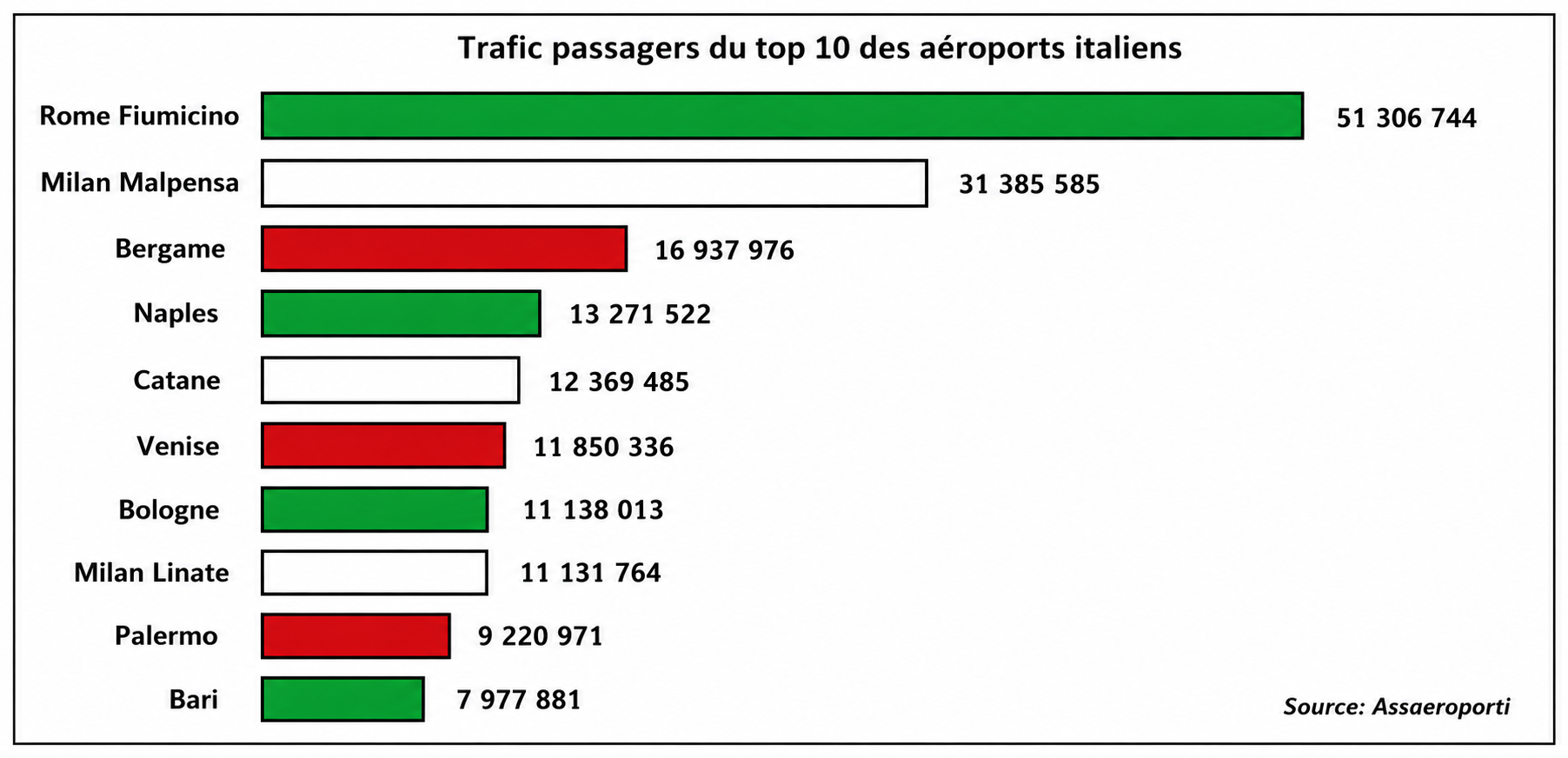
Inside Leonardo da Vinci-Fiumicino Airport, there are these long lines that seem to go on forever, towards the security checkpoint , while families sort through maps for gates, and business travellers type fast on their laptops right by the charging stations.
Tourists come in from pretty much every corner of the planet, hoping to get a taste of Rome’s history, its meals, nightlife, architecture, and yes, those familiar streets they’ve seen online for years , like it’s some kind of deal or promise.
Italy’s aviation industry is already preparing for record passenger growth in 2026, and a bunch of airports across the country are starting to feel the pressure, real strain, in a way you can see.
Passenger numbers are rising again, pretty quickly too, as global travel demand keeps going up.
Airlines add more flights, tourism keeps expanding, and travellers are coming to Italy more often than a lot of analysts predicted. Airports that used to struggle in the calmer stretches now run at full pace almost year round.
And it doesn’t feel like a short term thing anymore.
It feels permanent, like it settled in.
Italy has always pulled in visitors but travel habits shifted quite a bit over the last few years.
People don’t just plan long annual getaways anymore. Lots of travellers take shorter breaks several times during the year, because low-cost flights made hopping around Europe cheaper and easier than before.
Weekend trips also became extremely common.
Someone living in Amsterdam might end up flying to Milan, for shopping then also for the nightlife maybe.
And a traveller from London, could spend a few days wandering through Florence before coming back home by Monday morning, you know how it is.
These days digital nomads work remotely from Italian cafés overlooking old city streets and somehow, they also try to handle video meetings alongside afternoon train rides along the coast.
That kind of flexibility, it really did shift tourism patterns around, like a domino thing.
Airports stay busy for longer too, because people travel more often and it’s less predictable now. Inside Milan Malpensa Airport the passenger mix basically tells the story of how Italy’s aviation scene evolved.
Fashion executives, tourists, influencers, students, luxury travellers, football fans and business professionals… they all end up sharing the same terminals around the same time.
Milan kind became one of Europe’s strongest aviation hubs, at least in part, because it blends tourism and business travel so smoothly, that it almost feels effortless.
Airlines really like that balance, honestly, because it keeps routes profitable in different seasons, not only as a quick burst.
Business travel still matters a lot for Italy’s airports. Fashion, finance, automotive companies, luxury brands and international trade keep pushing heavy passenger traffic between Italy and major global cities.
Flights between Milan and Rome with Paris New York Dubai Frankfurt and London are still among the busiest international corridors in the country.
At the same time tourism demand keeps expanding in most places. Rome stays busy year-round, Venice keeps pulling in millions despite the over tourism worries.
Florence remains packed, with travellers hunting for art and history and those classic Italian streets with cafés and boutiques.
Even Southern Italy is getting more attention now, especially coastal spots where travellers want a slower rhythm away from the most overcrowded urban areas.
That broader tourism pull helps regional airports grow faster, a bit more messy maybe but it still shows.
Smaller airports that used to manage moderate passenger levels are now seeing more international arrivals, because travellers really want direct reach to beach towns, islands, and rural places without having to do complicated transfers through the biggest hubs.
Airlines are responding pretty fast to those shifts. New routes keep popping up across Italy, as carriers compete hard for seats.
Budget airlines end up dominating a lot of short haul European lines, while the older, more traditional carriers put strong focus on long haul international connections from Italy toward North America, Asia, and also the Middle East.
Competition became intense, like almost too intense. Passengers check prices all the time now.
One airline lowers fares and competitors often reply right away, so travellers get the perks, but airlines end up under massive financial strain trying to remain profitable while operating expenses keep climbing.
Behind the scenes, fuel prices are still one of the main worries. Airlines rely on fairly stable fuel costs, but global energy markets remain unpredictable.
A sudden oil price jump can hit ticket costs and route planning almost immediately. Because of that, airlines keep watching fuel spending closely, even minor market changes can ripple through profits across huge flight networks.
Passengers usually notice it indirectly, through higher fares during busy seasons and travel peaks. Airlines feel it every single day, not just when the public notices something.
That’s one reason newer aircraft started becoming so important in European aviation.
Newer planes burn less fuel, while also improving passenger comfort more or less at the same time.
Airlines are putting serious money into fleet upgrades because operational efficiency ends up mattering more than ever in competitive markets, and you can see that in how they lay out their day to day operations.
Passengers get something out of those upgrades as well, even if it feels a bit indirect at times. Cabins seem quieter, the entertainment systems improved dramatically and overhead bins are now larger.
Seating designs lean more toward long-haul comfort, which is great for people who have those long stretches where everything starts to feel similar.
On top of that, modern aircraft use better air pressure systems inside, so fatigue during international flights is reduced, and honestly it matters a lot when Italy keeps drawing visitors from far away.
At Venice Marco Polo Airport, international travellers step out carrying cameras, designer luggage, backpacks, and those travel guides you always say you’ll read later but never fully do.
Water taxis slide across the canals nearby under warm evening skies, kind of slow and polished, like they know they are part of the scene.
Venice stays one of the world’s most recognizable destinations, and airports across Italy keep benefiting from the emotional link people carry toward the country, you know, that feeling that makes someone plan the trip before they even finish checking their schedule.
Italy sells an experience more than just almost anywhere else. Travelers don’t simply search for landmarks, they want the whole vibe, packed piazzas , late night dinners , espresso bars, and those coastal sunsets that hang around a little longer.
Also the football culture , fashion districts, ancient little streets and, yeah, those small seconds that feel cinematic even on regular afternoons, when nothing big is going on.
That emotional magnetism keeps flights full, no pause. Social media sped the entire process up, even further.
Travel clips that show Amalfi Coast sunsets , Roman cafes, Tuscan vineyards, Sicilian beaches , and Milan shopping lanes, all the time nudge fresh visitors to book.
Sometimes, a single viral moment turns a destination into “wait, why didn’t I think of that” for many travellers who never even considered it before. It feels kind of surprising, but honestly not really, because algorithms and moods seem to sync together, more or less.
Airlines watch those trends pretty closely now. Passenger behaviour can shift fast, and aviation companies adapt routes aggressively when rising demand shows up, even if it is a last minute kind of rise.
Technology also became essential for handling Italy’s growing passenger numbers, because without it the whole flow tickets, schedules, connections, and baggage would get messy and slow, and nobody wants that.
Airports in Italy are starting to roll out smarter systems, so they reduce congestion and boost efficiency but, not in some simple way, more like a chain reaction.
Automated check ins, biometric security screens, digital boarding passes, AI helped passenger movement control, and live baggage tracking are showing up in more terminals every year.
Travellers sort of expect smoother things now, and honestly nobody wants endless queues, or confusing airport layouts, especially when it’s a stressful international trip.
Airports also know that frustrated passengers post complaints online pretty quickly, and then the reputation goes around fast through travel communities, and social platforms. Visibility in aviation changed completely.
Because one delayed baggage moment, filmed on a phone, can turn into global content overnight. That kind of pressure basically nudges airports toward faster modernization.
There’s also air traffic congestion across Europe, and it’s another obstacle in the, aviation industry of Italy.
Flights that move through European skies are often stuck with delays that come from weather patterns, crowded air corridors, strikes, or even air traffic control limits.
A single disruption, located elsewhere in Europe , can ripple into Italy, and then mess with arrivals and departures within a few hours.
Modern aviation runs on timing that is almost too tight.
Aircraft usually spend very little time parked, because airlines try to maximize fleet usage very aggressively during busy seasons.
If an incoming aircraft is late, it can mess up multiple flights quickly, then it affects crew rosters, baggage processing routines and gate operations afterward. Passengers mostly only notice the final delay message.
But behind the scenes airline staff and airport teams coordinate constantly, trying to keep schedules working even with the mounting pressure over Europe’s crowded skies.
Air travel demand keeps going up, but the environmental pressure linked to emissions just keeps getting louder all across Europe.
Governments, climate groups, and travellers are pushing airlines to run cleaner operations, while airports are getting questioned hard about whether they should even expand in the first place.
The industry basically understands that change is necessary, sort of, eventually.
Airlines are pouring money into lower emission aircraft , and sustainable aviation fuel projects keep moving forward, little by little across Europe.
Airports meanwhile are modernizing too, bringing in electric service vehicles, smarter energy systems, and greener operational technologies that are meant to reduce environmental impact, not just look better on a brochure.
Still, keeping growth and sustainability aligned is incredibly hard.
Italy wants more tourism.
Airlines want more passengers.
Travellers want cheaper fares, and smoother trips too , even when they’re booking in a bit of a rush.
At the same time, the expectations around the planet are rising really fast. That push and pull will end up shaping aviation’s future across Europe for the next decade.
Even with all that pressure, the demand for Italy just does not seem to ease. Every evening, aircraft keep on lifting above Rome, Milan, Venice, Naples, and Florence, hauling people towards cities that are spread across Europe , North America, Asia and also the Middle East.
Inside the cabins travellers scroll through lodging reservations, restaurant ideas, museum passes, beach photos, and rail timetables while the engines hum quietly under dim cabin lighting.
Italy’s airports are preparing for record passenger growth because the world still wants to experience the country first hand.
And based on the crowds already moving through its terminals every single day, those skies above Italy are only going to feel busier from here.
On top of all that, environmental concerns are becoming harder for Italy’s aviation sector to ignore too.