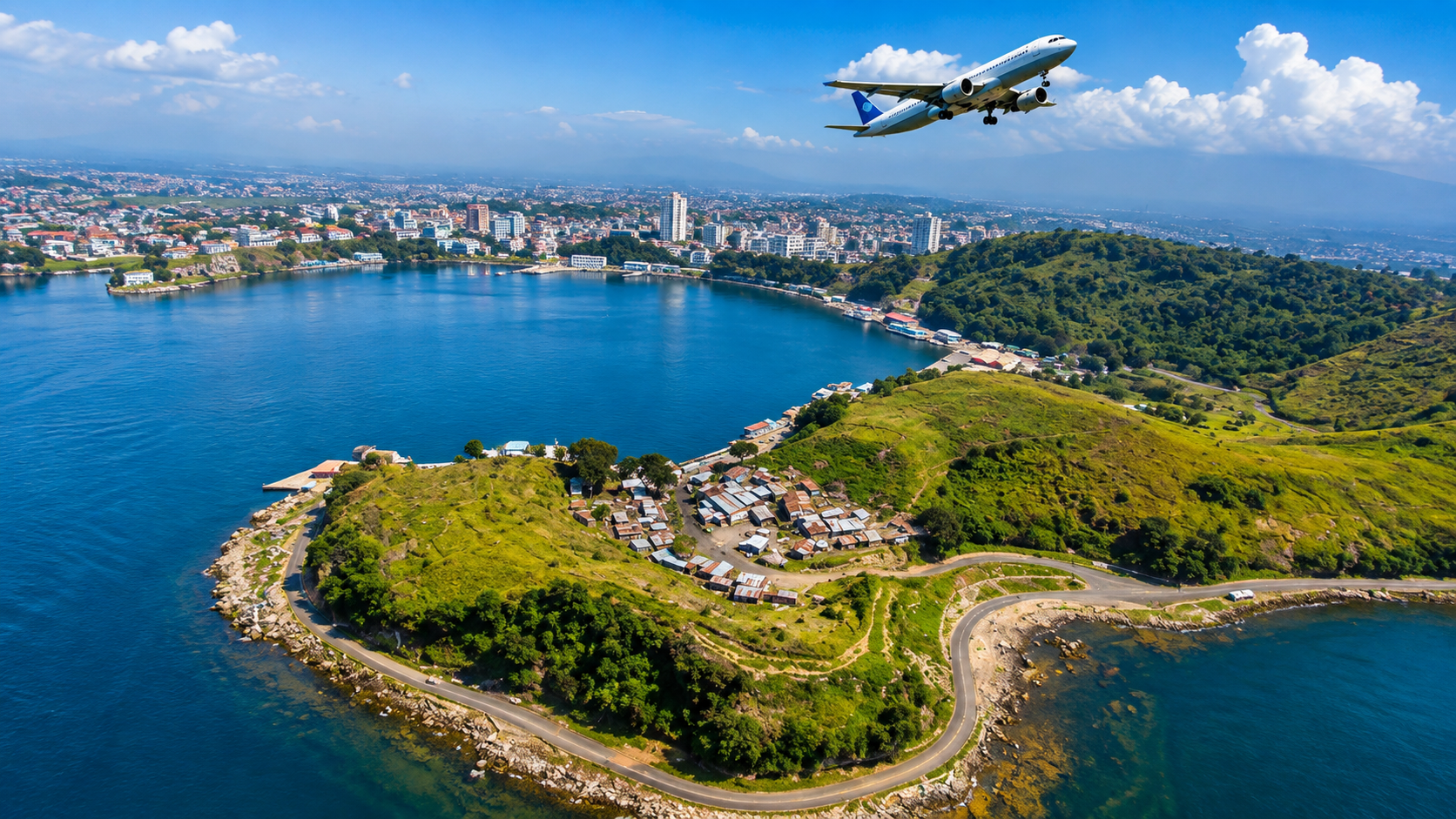








The cabin lights dim slowly, while the city below kinda fades into scattered constellations of neon and traffic. Somewhere of the Pacific, passengers they will fall into a strange rhythm, that only long hauls flying really creates.
Screens glow softly in the darkened cabins, flight attendants move quietly through narrow aisles and it all feels like it should be louder.
The engines hum with a deep mechanical steadiness, and that eventually turns into this background silence. Japan’s airlines understand that feeling better than most, because long haul flying today isn’t just transportation anymore.
It’s become more like an experience, shaped carefully from departure to arrival, all the way to the smallest comfort details .
In 2026, Japanese airlines are transforming long distance air travel with unusual precision. Travelers have changed over the last few years and honestly expectations too. People want smoother journeys , cleaner cabins , better technology and fewer stressful moments during ultra long flights. Premium travelers demand privacy and comfort that feel closer to luxury hotels than a traditional aircraft cabin, and they’re pretty specific about it .
Economy passengers also expect more convenience stronger entertainment systems and better onboard service, even if they don’t always say it like that. Airlines across Japan noticed this shift early, and they responded aggressively, almost like they had rehearsed it.
Inside airports like Tokyo Haneda Airport and Narita International Airport, operations feel calm even when terminals stay crowded. Boarding processes move quickly, security lines stay organized and ground crews work with remarkable coordination while passengers transition smoothly between gates and international transfers .
That operational discipline became one of Japan’s biggest aviation strengths, because long haul travel magnifies every small problem. A delayed boarding process feels worse during a fourteen hour flight and poor cabin organization becomes more frustrating when people end up inside an aircraft for half a day, no matter how patient they try to be.
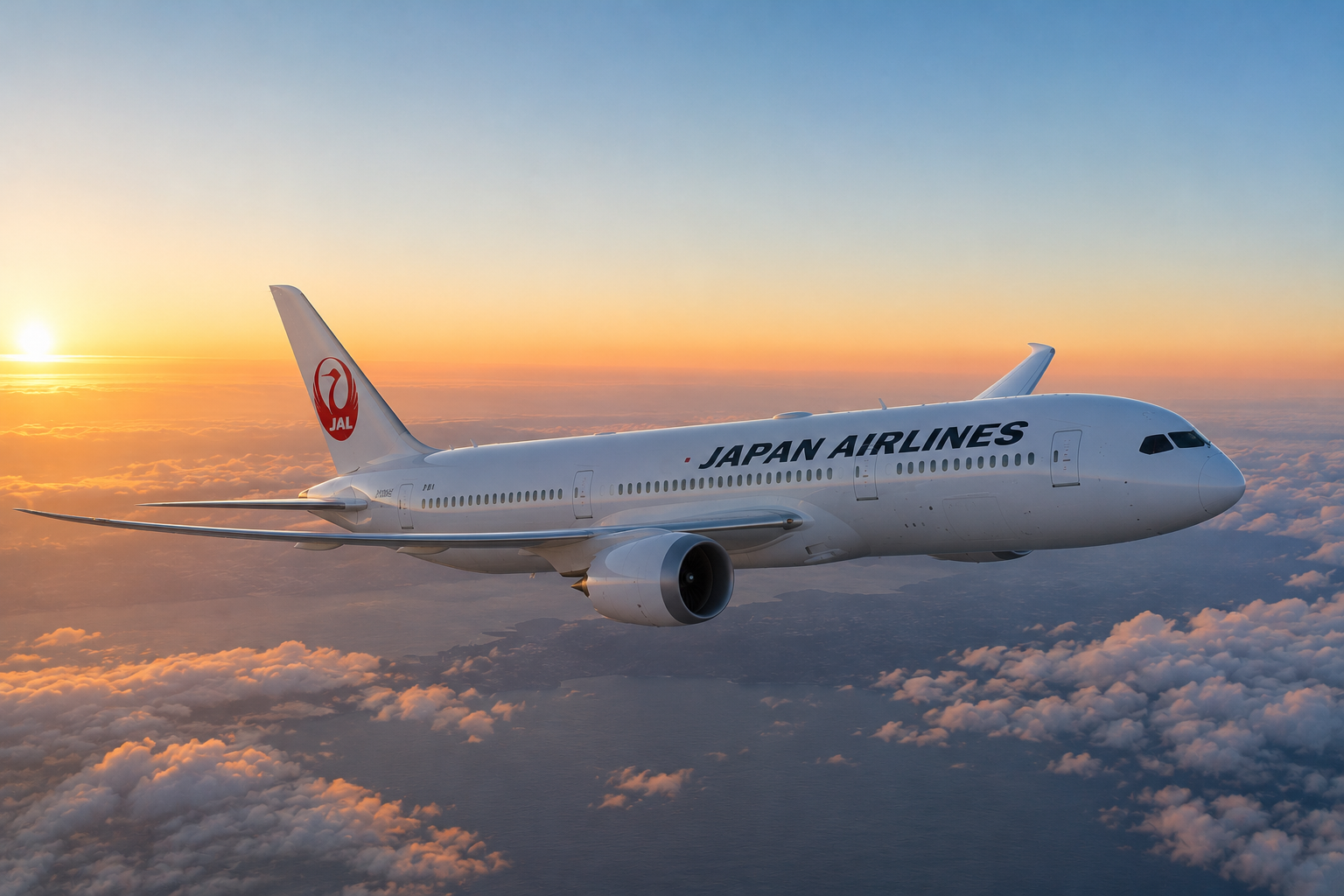
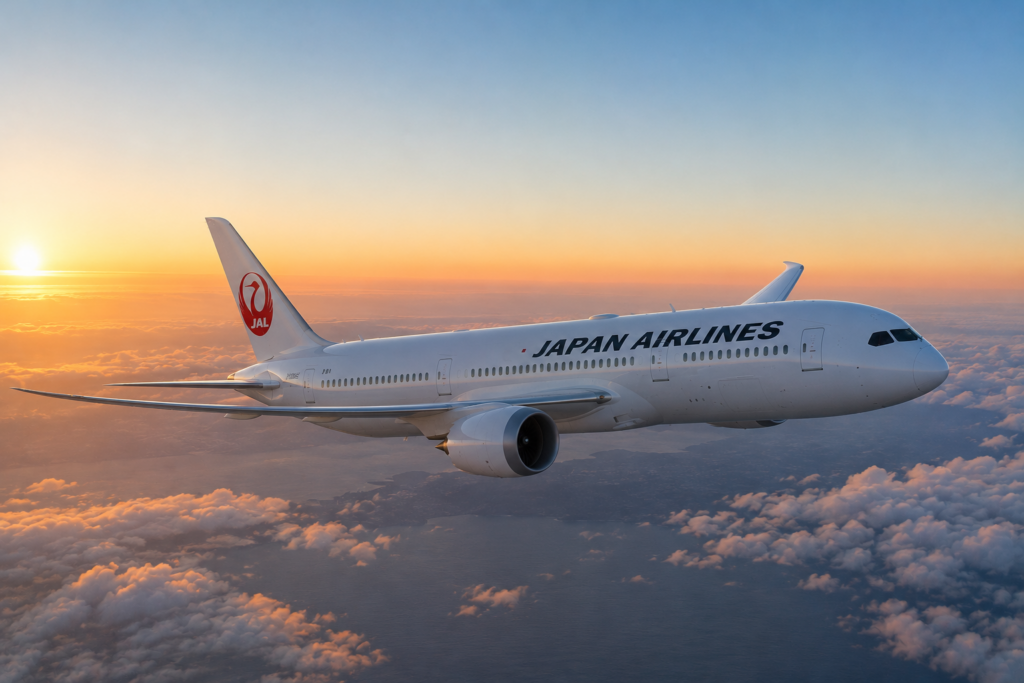
Japanese carriers like Japan Airlines and All Nippon and Airways are putting a lot of money into newer aircraft and redesigned cabins. Honestly, these upgrades are not only about better fuel efficiency anymore, like people assume at first. There’s also a focus on quieter corners, smarter humidity systems , bigger windows, smoother control of cabin pressure, and little touches that make the whole ride feel less cramped and more manageable, even if nothing else goes perfectly.
and lighting systems that are meant to ease passenger fatigue. Travelers might not always see the engineering behind it, but they notice it on long overnight flights. When cabin pressure is better, people feel less exhausted. When humidity is improved, the trip feels less physically draining. And softer lighting makes it easier for passengers to shift between time zones in a more natural way.
At this point, the aircraft itself feels kinda tied into the whole wellness experience, like its not just a vehicle anymore. Years ago, long haul flying was mostly about speed and efficiency, end of story. Now airlines pay attention to passenger psychology and physical comfort, in a more deliberate way , and honestly it shows. In Japan , the business-class scene especially changed how carriers think.
Airlines are reshaping premium cabins with private suites and sliding doors, upgraded entertainment, luxury bedding, wireless charging and restaurant style details that make the trip feel calmer. dining that doesn’t feel as “factory default” as before. Some first-class offerings now look more like small hotel rooms, than airplane seats.
And, social media really switched the competition up. Travellers share reviews right away across platforms, video channels, and aviation forums. One great premium ride turns into global advertising pretty much overnight.
One bad flight can spark criticism just as quickly, and it spreads. Because airlines are under constant visibility now, that kind of pressure pushed innovation along faster than many expected.
Economy cabins are evolving as well, and honestly it’s kind of subtle until you notice it. Japanese airlines have been putting more attention on small things that reduce stress during a long-haul trip. The seat ergonomics got better, not just in a looks nicer way but in how it actually feels.
Storage areas turned into smarter layouts, and the Wi-Fi systems became faster, and also more dependable. Even the meal presentation feels cleaner, more modern, like someone cared about the whole experience not only the headline items.
Each change seems minor on its own, but together it matters a lot on flights that can stretch to twelve or thirteen hours. People remember discomfort for years. A broken entertainment screen, unclear communication during delays, or seating that just doesn’t work can harm an airline’s reputation far more than expensive marketing efforts ever could, because it sticks in the memory.
And there’s technology behind all of it, basically supporting almost every part of modern aviation when passengers aren’t watching.
AI assisted the maintenance systems are monitor in aircraft continuously, while they predictive analytics helps that airlines catch technical issues before they turn into full on operational headaches.
Digital baggage systems also support for passengers during transfers between international routes, so the overall people experience stays smoother, even if the itinerary is messy. Travellers may never see these systems directly, but they absolutely feel the difference when flights run reliably and arrive on time.
Global aviation is getting more complex, and honestly that complexity is kind of staggering. If one delayed aircraft leaves Tokyo, it can ripple through schedules in Los Angeles, Singapore, London, Sydney,and Vancouver within just a few hours.
Airlines depend on increasingly advanced feature systems to run the worldwide operations dynamically, in real timefor the International travel demand rose again in 2026, and that added even more pressure to airline networks and the airport infrastructure that has to keep up.
Japan’s tourism sector keeps drawing in enormous numbers of international visitors. Travellers land looking for food culture, anime tourism, tech districts, mountain resorts, ancient temples, and that kind of modern city life you don’t really find anywhere else on earth.
Airlines get a direct lift from all that travel momentum, but the higher demand also creates real pressure on daily operations. During peak seasons, terminals stay crowded, and immigration desks feel like they’re never fully empty. Even airlines end up pushing aircraft utilization harder, trying to squeeze extra seats out of every single departure,
Still, even with all that pressure, Japanese aviation seems to keep a reputation for calmness and reliability. That perception matters worldwide, since passengers often connect Japanese carriers with cleanliness
At the same time, fuel prices keep causing major behind-the-scenes trouble. Long-haul flights rely a lot on steady fuel costs,
In 2026 jet fuel prices remain difficult to predict. Airlines are always fine tuning schedules aircraft assignments and route planning, basically shifting their approach when the operational numbers change.
One steady long-haul service can turn into a real hassle money-wise after a fuel spike, and then suddenly it stops feeling so profitable. Passengers might not ever see the inner math ,but they still notice the outcome later with higher fares, a bit fewer flight times, or small schedule tweaks that seem minor at first yet they pile up.
Environmental pressure is sort of reshaping aviation strategy across Japan too. Sustainable aviation fuel projects are still expanding slowly , while airlines keep putting money into newer aircraft meant to cut emissions and also make fuel use more efficient at the same time.
Travellers are paying more attention to those sustainability conversations, especially when it comes to crossing borders. Electric aviation technology stays pretty limited mostly to smaller regional efforts right now, but Japanese engineering companies keep researching future propulsion systems quite aggressively.
Passenger well-being became another big focus for airlines. People are going farther than ever, but the body still fights jet lag, dehydration, sleep disruption, and mental weariness during ultra-long flights. Japanese airlines increasingly design the onboard experience around reducing those stresses. Cabin lighting shifts gradually during overnight trips .
Meal timing is matched more carefully to destination time zones. Wellness-centered meal options show up more often onboard . Some carriers even test quieter boarding routines and cabin scent control, sort of aimed at lowering passenger anxiety.
Business travel also changed a lot. Corporate travel came back strongly, but now companies expect smoother premium experiences since employees are spending a substantial amount of time flying internationally again. Airlines know that a rough long-haul experience can hurt customer loyalty and corporate relationships at the same time, which is not great for anyone.
Competition across transpacific routes is getting especially intense, almost day by day. Flights linking Japan with places like Los Angeles, New York, San Francisco, Vancouver, and Chicago still rank among the world’s most important long-haul markets, and everyone knows it. Airlines compete very hard for premium travelers who regularly move between Asia and North America for business, tourism, technology partnerships, and entertainment industry reasons.
At the same time of all the routes linking Japan with South east Asia keep widening really fast. Overall, the Asia Pacific air travel scene has turned into one of the most crowded, and fastest growing travel ecologies worldwide. Japanese carriers seem to want a stronger standing inside that momentum before things get even more intense later this decade, because waiting feels kind of risky.
Airports are changing alongside airlines too, not just sitting there. Japanese terminals are increasingly mixing automation, biometric systems, multilingual wayfinding tools,and digital passenger services meant to reduce the whole stress level for international travelers. The industry understands something pretty straightforward now.
passengers judge the entire journey, not only the flight itself. Airport experience matters just as much as onboard service, in practice.
The future of Japanese long-haul aviation feels ambitious, but also pretty controlled. Airlines keep modernizing fleets , while somehow juggling environmental pressure, operational costs, what passengers expect, and the usual global competition all at once.
Aviation doesn’t really feel simple anymore , yet aircraft still keep climbing above Tokyo each night, carrying travelers across oceans toward worlds that are basically completely different.
That emotional pull still defines long-haul flying.
The moment the cabin lights fade, the soft trembling during takeoff, and then that odd calm above the clouds at cruise altitude. There’s also the first sudden view of another continent under the wings after hours and hours over open water .
Japan’s airlines seem to get that long-haul travel isn’t just about getting there faster. It’s more like shaping the entire lived experience.
so passengers can move across half the planet , suspended somewhere between leaving and arriving, almost like time slows down.