







The Biggest Aviation Changes of flights
Air travel in 2026 feels different the moment you step into an airport.
The terminals are louder. Screens refresh nonstop. Boarding lines move faster, yet somehow feel more chaotic. Travelers clutch phones instead of paper tickets. Airlines chase efficiency with almost obsessive intensity while passengers search for something simpler: a smooth trip that actually leaves on time.
The aviation world didn’t drift quietly into this new phase. It accelerated into it.
What’s happening now isn’t one single transformation. It’s a collision of pressures, technologies, passenger expectations, environmental demands, and operational limits all unfolding at once. Airlines are evolving while carrying record numbers of travelers through increasingly crowded skies.
Some changes feel exciting.
Others feel exhausting.
All of them are reshaping how the world flies.
Flights are fuller than ever
Airlines expected strong travel demand in 2026.
They didn’t expect this level of intensity.
Routes across Asia, Europe, the Middle East, and North America are operating near maximum capacity during major travel periods. Aircraft that once flew with empty seats now depart almost completely full. Budget carriers continue expanding aggressively while premium airlines push deeper into luxury-focused experiences for high-paying travelers.
The result? Airports rarely feel calm anymore.
Even midweek flights pack quickly. Holiday rushes stretch longer than before. Summer travel peaks spill into autumn. Travelers who used to book casually now monitor fares like stock prices because ticket costs change constantly.
One delayed flight can trigger ripple effects across entire airline networks.
And those ripple effects spread fast.
Airspace has become more complicated because of increased air traffic.
Passengers observe clear blue sky through airplane windows.
Both pilots and air traffic controllers observe aircraft congestion.
The world’s busiest flight corridors are under enormous pressure in 2026. The military has occupied numerous areas while geopolitical restrictions and weather interruptions create operational challenges and the rerouting of aircraft during various regions of the world.
Flights don’t always take the shortest route anymore.
Airlines adjust their flight paths because they need to avoid both restricted areas and busy airspace. The tighter scheduling pressure affects international routes which become longer to operate because of this requirement.
Travelers notice it indirectly.
The flight arrives at its destination 40 minutes behind schedule. The second aircraft waits in a holding pattern until it receives permission to land. An unexpected short delay turned into a stressful situation because the connection needed to be made which required extra work to complete.
The operational system of worldwide airspace control functions continuously throughout the day to create an invisible flight system which controls air traffic.
Digital flying has become the standard way people experience air travel.
The complete modern travel experience now exists within a person’s smartphone.
Passengers need to present their boarding passes and their passports to authentication systems while they wait for flight information and their baggage to be tracked and the airport paths to be displayed and their lounge access to be checked and their rebooking requests to be processed.
Passengers use digital devices instead of traditional paper documents.
Airlines have dedicated substantial resources towards developing automated systems and artificial intelligence technology because their existing manual operations fail to handle the increasing number of passengers. Some airports now use biometric technology from check-in to boarding gates, allowing facial recognition systems to verify traveler identities within seconds.
That sounds like something from the future.
In many airports, it’s already normal.
Artificial intelligence performs multiple functions that include predicting maintenance needs and optimizing flight paths and assessing fuel usage and assisting airlines with their operational recovery during service disruptions.
The aviation industry now relies on algorithms to operate its systems.
Passengers may not see those systems directly but they feel their influence constantly.
Technology solved existing problems while it generated additional problems.
Digital systems provide faster transportation for people when their components function as intended.
The system erupts into complete disorder as soon as a single component fails.
The check-in counters at multiple airports stop working because of a server outage. The mobile application suffers from technical issues which result in passengers losing their digital boarding passes. The automated baggage systems show their first error when they deliver bags to incorrect locations.
Travelers today hold a strong belief in technology as their primary source of trustworthiness. The created dependency establishes a security risk to users. Passengers from previous decades used printed travel documents to support their travel needs. Today, most people no longer practice this habit. Travelers can access all aspects of their journey through their mobile devices. Any traveler who loses their phone battery during a trip suddenly becomes vulnerable to the world.
Airports installed their highest number of charging stations which enables travelers to recharge their devices. People still engage in disputes to control access to charging stations. ⛽ Airlines use changing fuel costs to determine their operational choices. Fuel functions as the hidden force that controls all aspects of aviation operations. Airlines need to adapt their flight operations and ticket pricing systems because of shifting jet fuel costs which will persist until 2026. The aviation industry experiences its greatest cost challenges during long-distance flights because any increase in fuel expenses results in high operational costs across extensive distances.
The airlines keep their operational changes hidden from the public view. The airlines cut back service to less popular destinations. The company now operates modern planes which use less fuel than older models. The airline industry expands its overnight flight operations because midnight temperatures create better flying conditions. The airline industry temporarily suspends some direct flights while expanding their network of routes with connecting flights.
Airlines provide passengers with limited information about the changes made to their operations. The organization proceeds to implement operational changes without informing their customers. The airline system has removed a specific route which existed in their previous year operations. The airline system implements sudden increases in ticket fees. The flight schedule now includes departure times which are less suitable for travelers.
All operational changes start with a fuel expenditure analysis.
The marketing term sustainability has lost its commercial value.
Climate change requirements are becoming more stringent through government regulations.
The public understanding of environmental issues has increased because travelers now demand more information about emissions.
Airlines must consider public perception as their main priority because passengers today demand environmental policy information before they book flights.
Sustainable aviation fuel has reached operational status as a commercial product, although its supply still falls short of current industry requirements.
Airlines invest in new technologies to build cleaner fleets through lighter materials and intelligent routing systems, while they also develop electric aviation systems for regional flights.
Aviation environmental issues remain unsolved because there has not been a single technological breakthrough that can address this challenge.
The industry undergoes development through continuous small improvements that build upon existing advancements.
The aircraft operates with reduced fuel consumption.
The route has improved its efficiency.
The airport achieved a decrease in its ground emissions.
The airline progressively increases its sustainable fuel usage.
The combination of small changes accumulates into significant results.
Airlines are expanding their ultra-long-haul flight services at this time.
Airlines have returned to their previous focus on distance.
The number of ultra-long-haul flights between Sydney and New York and Singapore and Dubai and Toronto and London has grown because passengers now prefer direct flights instead of making stopovers.
The aircraft themselves changed the equation.
Modern jets have improved fuel efficiency, which allows them to operate longer distances than their predecessors.
Airlines compete with each other to attract customers who will pay extra fees in order to bypass flight connections for faster travel.
Corporate travel maintained its existence.
The mode of corporate travel changed its form.
Companies discovered that virtual meetings could replace all their business travels so they stopped sending employees on constant work-related trips. The finance sector and technology field and manufacturing industry and luxury goods market and diplomatic activities and international trade all require face-to-face meetings.
Business travel returned to companies with more effective and purposeful travel methods.
Executives fly when meetings truly matter. The companies pursue their goals through operational methods which drive them to maximum efficiency. The industry adopted shorter travel periods as standard procedure. The first thing travelers do after landing is attend their meetings, which they complete within 24 to 48 hours before departing again.
Airlines changed their operations to match present conditions.
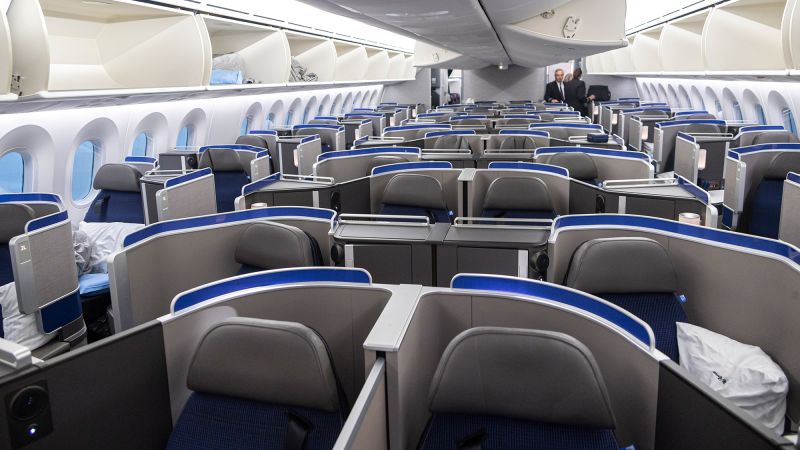
The premium cabin service now centers on productivity through enhanced Wi-Fi access and superior privacy control and faster boarding processes and adaptable fare modifications and silent travel environments.
Travelers consider time to be their most valuable onboard asset.
Travelers show different behavior patterns in the present day.
Passengers discovered that global travel systems operate under a state of extreme vulnerability.
The memory from that time period established life-altering patterns.
People check flight status repeatedly before leaving home. They build longer layovers into itineraries. Passengers now prefer flexible tickets which cost more than traditional tickets. Travelers carry backup chargers, downloaded boarding passes, and digital copies of important documents.
Public awareness has improved.
Passengers expect to experience travel disruptions at some point. The travelers understand that modern aviation operates at its highest capacity during most days because of weather problems and staffing deficiencies and airport traffic and technical breakdowns.
Understanding this fact does not remove the feeling of disappointment.
The process alters how people expect things to happen.
Smaller cities are developing connections to worldwide networks.
Aviation development now extends to all cities instead of restricted to major urban centers.
Airlines are increasing international flight connections to secondary airports and regional airports in 2026 because they recognize potential markets beyond their main operating bases. International flights now reach remote cities throughout India and Southeast Asia and the Middle East and Africa which did not exist ten years earlier.
The new direction will create major shifts in international travel and commercial activity and population movement to different regions.
International travel now requires passengers to make multiple connections at major airport hubs. Airlines expand their service areas to meet rising demand from customers in regional markets.
The international aviation network continues to grow its boundaries from existing locations.
Airports now create spaces that people use as emotional centers.
Airports today use their operational efficiency and atmospheric design to attract customers.
Some terminals feel to passengers like high-end shopping centers while others display advanced design as futuristic cities. Airports design their spaces with specific purposes for lighting and building design and digital systems and entertainment areas and quiet zones and high-end dining options.
Airlines want to minimize passenger time at airports but airports respond by providing paid access to comfortable facilities.
The psychological aspect plays a crucial role.
Travel already creates stress. Airports that provide seamless passenger movement throughout their facilities will achieve better results than their competitors.
Airports maintain their main terminals as vital traffic centers because they want all travelers to experience their facilities.
People now want airports to create comfortable environments for travelers to experience.
All travelers still want to reach their destinations.
The emotional core of flying has remained unchanged since the beginning of aviation. Airports now experience their most crowded times because automated systems and algorithms and digital boarding systems and increasing air traffic have not affected this particular aspect of aviation.
Takeoff.
The engines ascend into their well-known sound at full power. The runway disappears from view. The forces of gravity increase their force. The cities below become smaller because of the scattered cloud cover.
The world becomes bigger again at this moment.
The emotional experience of modern aviation brings to passengers will persist through all disturbances which occur. The presence of delays makes people feel annoyed. The atmosphere of the airport becomes intolerable when it reaches maximum capacity. The experience of lost luggage makes people feel unhappy.
Yet multiple times, people who travel continue to return to the same destination.
Flying allows people to experience something which defines their humanity because they can travel across vast distances within short timeframes.
What happens next?
The aviation world will not achieve complete stability for an extended period.
Passenger demand continues climbing. Environmental pressure will intensify. Airlines will automate more operations. Airports will develop advanced technologies which increase their operational capacity and operational efficiency and their digital infrastructure. Airspace management systems will develop because current traffic levels already exceed the capabilities of existing systems.
The technological process of flying will become more efficient but its emotional experience will develop more complex.
The aviation industry of 2026 exists through this contradiction which operates as its fundamental principle.
The industry moves at its fastest speed in history yet it appears to be one disruption away from facing operational disruptions.
The aircraft now cross the ocean and desert and mountain and city landscapes which will extend into the dark space above the Earth and carry millions of people to unknown destinations throughout the night.